Is it worth paying someone to set up a smart home?
Pay for a pro when the job involves wiring, a ladder, many devices that must work together, or an alarm. Do the plug-in and screw-in devices yourself. Virginia's Board for Contractors says a contractor licence is required for work valued at $1,000 or more, so check the licence in DPOR's lookup and get three written quotes for the same list.
Free to ask. Local shops send quotes, and you pay only when you book one.
By Kasra Taheri, Founder, LoclisPublished
Researched and drafted with AI, then checked claim by claim against the sources listed below before it was published. Prices and rules change; the dates beside each source say when it was last checked.
Step by step
Read when to stop and call a pro, further down this page, before you start.
Step 1: Sort the devices
Split your list into plug-in or screw-in devices you can set up yourself and anything that needs wiring, a ladder or an alarm panel.
Step 2: Check for exceptions
Note any device that connects to a fire alarm or runs through a plenum or fire-rated wall, because the building code treats those differently.[3]
Step 3: Check the licence
Look up the contractor's licence on DPOR's licence lookup, and remember a licence is required for work valued at $1,000 or more.[1]
Step 4: Ask for three written bids
Give each contractor the same specification and compare the bids.[1]
Step 5: Ask about support
Ask what setup, training, and ongoing support are included after the installer leaves.
Step 6: Get it in writing
Make sure the contract lists each device, the work, the price and the schedule before you sign.[1]
The answer
It is worth paying someone when the job is wiring, height, an alarm or a lot of devices that have to behave as one system. It is usually not worth paying for plug-in plugs, screw-in bulbs, a smart speaker or a battery camera, which you can set up from the app in minutes.
A good rule: if you could do it with a phone and a screwdriver on a table, do it yourself. If it needs a ladder, a switch box, the panel or a drill through the wall, hire a licensed pro.
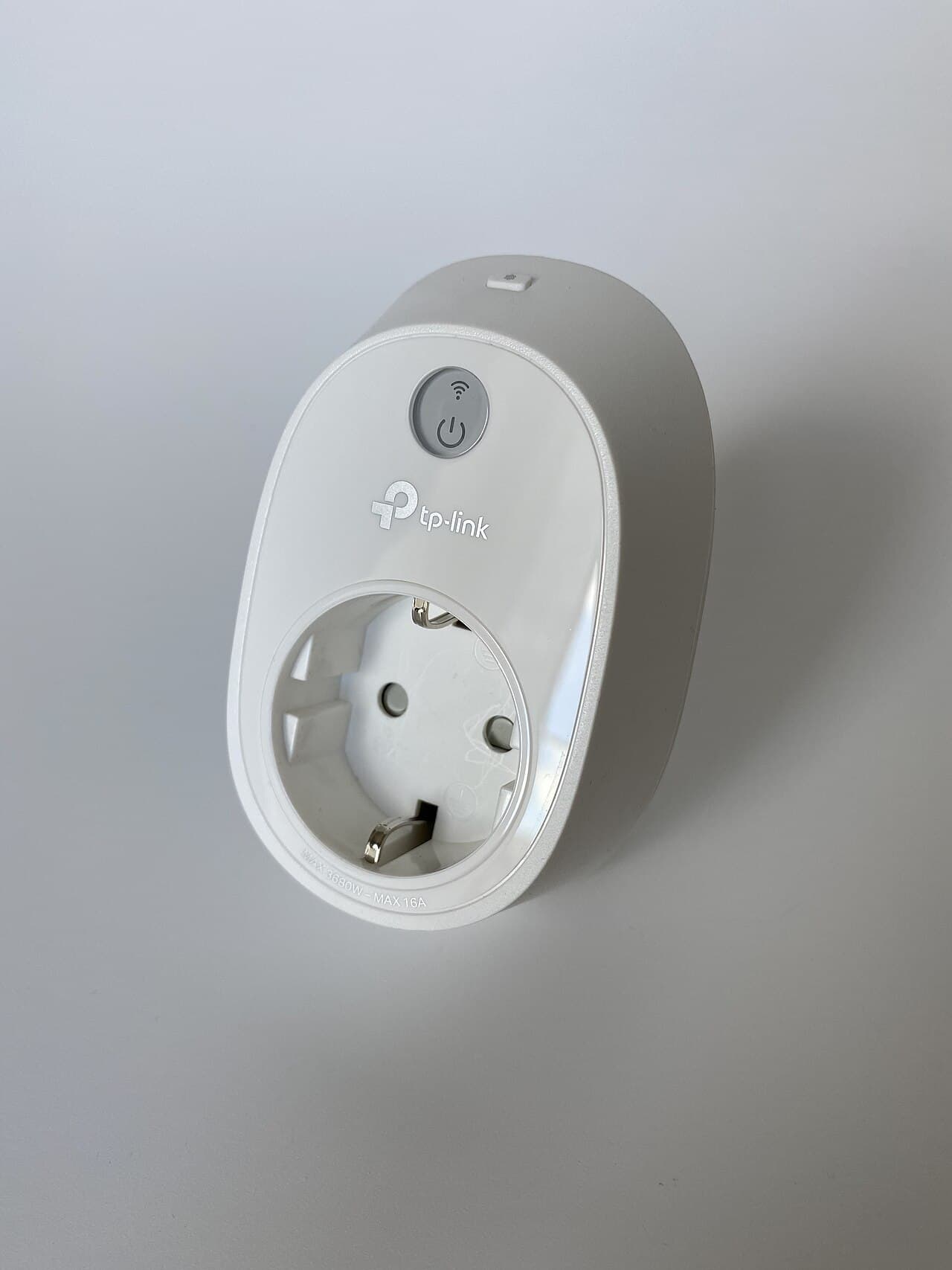
When paying clearly makes sense
- Smart switches, dimmers, outlets or a hardwired doorbell and thermostat. These connect to household wiring. Virginia's Board for Contractors defines electrical contracting as "the construction, installation, repair, maintenance, alteration, or removal of electrical systems", and the classification includes "electronic/communication service contracting (ESC)" and "fire alarm systems contracting (FAS)".[2]
- A whole-house system. Many devices on one network, with a hub, scenes and voice control, take planning. A good installer designs it so that it still works when one brand changes its app.
- Hidden cable. Running Ethernet or camera cable through walls and attics costs more in labor than the devices do.
- Height. Cameras and lights on a gable or second storey are a ladder job.
- Alarms. The Virginia building code treats fire alarm wiring differently from other low-voltage automation, with fire alarm systems among the listed exceptions.[3]
When it is not worth it
Plug-in devices, bulbs, a battery video doorbell and a smart speaker are designed to be set up by the owner. For those, read how to set up smart plugs and smart bulbs. A visit fee would buy you little more than a faster first hour.
Paying for the first install of a small system also does not give you a system you understand. Ask for a walk-through so you know where the hub is and how to add a device.
Check the contractor, not just the quote
Virginia's Board for Contractors says that "the work you are considering is valued at $1,000 or more, a valid Virginia Contractor's License is required" for the category of work.[1] Its guide states: "Unlicensed contracting is against the law."[1] If you use an unlicensed contractor, "the Board for Contractors may not be able to help you resolve a complaint".[1] Hiring a licensed one makes you "eligible to receive monetary compensation from the Contractor Transaction Recovery Fund in case of improper or dishonest conduct".[1]
Look the licence up on DPOR's licence lookup and match the name and licence class to the work. Then follow the Board's bidding advice: "Solicit at least three bids for the work you need. Do not automatically accept the lowest."[1] It adds: "Make sure all bids are based on the same set of specifications."[1]
For what the numbers can look like, read how much smart home installation costs in Virginia.
Questions to ask before you sign
- Which brands and models, and what happens if one is discontinued?
- Which parts need wiring, and who is the licensed contractor doing it?
- Is Wi-Fi coverage included, or do I need a separate network job?
- Whose account owns the system, and will I get the admin login?
- Who handles updates? CISA's advice is: "Fix security risks by installing updates and turning on automatic updates."[4]
- What does the warranty cover, labor as well as parts?
Permits
The Virginia building code does not require a permit application for wiring and equipment "for monitoring or automation systems in dwelling units", subject to exceptions for fire alarm systems, plenum spaces and fire-rated construction.[3] If a job involves new circuits, ask the contractor to say whether a permit applies and who pulls it.
Stop and call a pro if
- The job involves opening a switch box, an outlet or the panel. Hire a licensed electrician.
- You are tying devices into a fire or burglar alarm.
- A device must go on a roof, gable or second storey.
- Existing wiring is warm, scorched or crackling.
- A contractor will not give a licence number or wants cash only.
Getting help in Virginia
Browse Security & Smart Home or see more smart home answers. When you are ready, describe the job and local pros quote it.
Common questions
- Can I set up smart plugs and bulbs myself?
- Yes. They plug into an outlet or screw into a lamp and are set up in an app, with no wiring. The work worth paying for starts when a device has to be wired into the house or mounted somewhere high.
- Does a smart home installer need a Virginia licence?
- For work valued at $1,000 or more, Virginia's Board for Contractors says a valid contractor's licence is required in the right category. Electrical work falls under the electrical contractor classification, which includes electronic and communication service contracting.
- What is the risk of hiring someone unlicensed?
- The Board's guide says unlicensed contracting is against the law and that the Board may not be able to help you resolve a complaint against an unlicensed contractor. Licensed contractors can also make you eligible for the Contractor Transaction Recovery Fund.
- How many quotes should I get?
- At least three, based on the same specification, and do not automatically accept the lowest, according to the Board for Contractors.
- Will the installer keep the system updated afterwards?
- Do not assume so. CISA's advice is to install updates and turn on automatic updates. Ask before you sign who is responsible for updates and passwords, and get the admin account in your own name.
Sources
- [1] What You Should Know Before You Hire a Contractor, Virginia Board for Contractors, DPOR. Checked October 27, 2026.
- [2] 18VAC50-22-20. Definitions of license classifications (Board for Contractors Regulations), Virginia Administrative Code, Virginia General Assembly. Checked October 27, 2026.
- [3] 13VAC5-63-80. Section 108 Application for permit (Virginia Uniform Statewide Building Code), Virginia Administrative Code, Virginia General Assembly. Checked October 27, 2026.
- [4] Update Software, Cybersecurity and Infrastructure Security Agency. Checked October 27, 2026.
Want a pro to handle it?
Describe the job once. Licensed local businesses send quotes, and you pay only when you book one.
Get a quote from a local pro