What should I do when my roof starts leaking?
Limit the damage indoors, document it, and call a licensed roofer. Catch drips, move belongings, dry wet materials within 24 to 48 hours, stay away from wet electrical equipment, and photograph everything. Tell your insurer right away and keep receipts for emergency repairs. Do not climb onto the roof: covering or patching it is work for a licensed pro.
Free to ask. Local shops send quotes, and you pay only when you book one.
By Kasra Taheri, Founder, LoclisPublished
Researched and drafted with AI, then checked claim by claim against the sources listed below before it was published. Prices and rules change; the dates beside each source say when it was last checked.
This is a job for a licensed pro in Virginia
This page explains what the work involves, the permits, what a licensed pro does and what drives the cost. It does not give step-by-step instructions, because this work needs a licence, a permit or both, and doing it wrong can injure someone. Before you hire, check the licence on Virginia's DPOR record.
Protect the inside of your house, document the damage, tell your insurer, and call a licensed roofer. Everything you can do from indoors is worth doing now. The roof itself, including a tarp or a patch, is work for someone who does it for a living.
Limit the damage inside
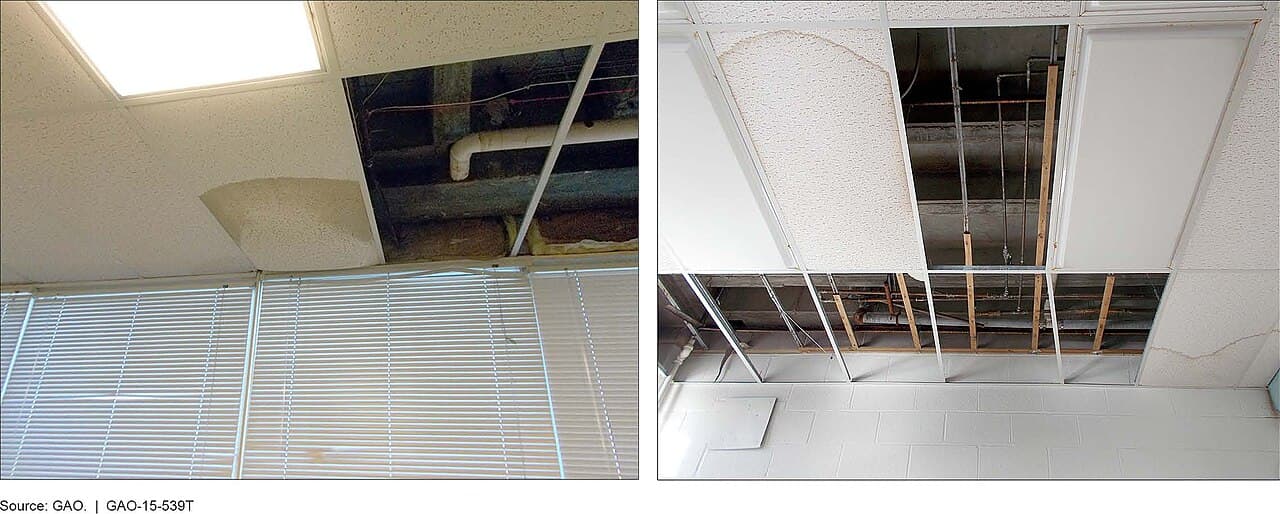
Water that reaches a ceiling has usually travelled along rafters or sheathing before it shows, so the stain is rarely under the hole. Work on what you can see and reach from the floor:
- Put a bucket or tub under any drip, and a towel or sheet of plastic under the bucket to catch splashes.
- Move furniture, rugs, electronics and stored boxes out of the wet area.
- Open windows or run fans and a dehumidifier to start drying the room.
- Look into the attic, if you can do it from a stable hatch or floor, for wet insulation or dripping nails. Do not step between joists, and do not go out onto the roof.
Speed matters. EPA says that if wet or damp materials or areas are dried 24-48 hours after a leak or spill happens, in most cases mold will not grow.[1] It also warns that absorbent or porous materials, such as ceiling tiles and carpet, may have to be thrown away if they become moldy.[1] A stain that keeps spreading or a musty smell that returns deserves a closer look.
Keep water and electricity apart
Water in a light fixture, a ceiling fan or a wall box is an electrical hazard. FEMA's Ready.gov flood guidance says not to touch electrical equipment if it is wet or if you are standing in water, and to turn off the electricity to prevent electric shock if it is safe to do so.[2] If water is dripping from a fixture, switch off that circuit at the panel from a dry spot and leave the fixture alone. Have an electrician look at anything that has been wet before you use it again. Loclis lists licensed electricians if you need one.
Photograph, then call your insurer
Take photos and a short video of the stain, the drip and anything damaged, with dates, before you move things. Then contact your insurance agent or company. The Virginia State Corporation Commission says that when you suffer a loss you should contact your insurance agent or company immediately, and that the sooner you file your claim, the sooner you can expect to receive payment.[3] Its guide also says to protect your property from further loss or damage and, if you make emergency temporary repairs, to keep a record of what you spend.[3]
Policies differ on what is covered, and the SCC notes that many insurers have a separate deductible that applies to wind, hail, or named storms.[3] Ask what yours says before you assume either way.
Why the roof is not a homeowner job
A wet, sloped roof in rain or wind is the worst time to be on one, and a fall is the main risk. A temporary cover that is not fastened and lapped correctly can also let in more water or blow off. Let a roofer find the entry point: what roof flashing is explains one common entry point that is often not above the stain.
When to call a licensed pro
Right away, for the roof. DPOR says that if the work you are considering is valued at $1,000 or more, a valid Virginia Contractor's License is required for the license category in which the contractor is to work.[4] Hiring a licensed contractor also makes you eligible for monetary compensation from the Contractor Transaction Recovery Fund in case of improper or dishonest conduct, DPOR adds.[4] Ask for a licensed roofer who can come quickly to make the roof watertight for now and then give a written quote for the real repair. Who to call for a roof leak covers how to choose.
Be careful if someone knocks after a storm. DPOR says to be wary of door-to-door solicitations promising repairs at a discounted price, and to insist on a written contract, not pay in cash, and never pay for the entire job upfront.[5] Check the licence on DPOR's lookup before you agree to anything.
Browse more roofing answers or roofing businesses. When you are ready, describe the leak and add photos and licensed local roofers send quotes you can compare.
Common questions
- Can I put a tarp on my roof myself?
- It is not worth the risk. A wet, sloped roof is a dangerous place to work, and a badly fastened tarp can fail in the next gust. Ask a licensed roofer for an emergency cover, and use buckets and drying indoors in the meantime.
- Will my homeowners insurance pay for a roof leak?
- It depends on the policy and on what caused the leak, so call your agent or company right away. The Virginia SCC says to contact them immediately, protect the property from further damage and keep a record of what you spend on emergency repairs.
- How long do I have before mold starts?
- EPA says that if wet or damp areas are dried 24-48 hours after a leak, in most cases mold will not grow. Dry the room quickly and watch for stains or smells that come back.
- What do I do if water is coming through a light fixture?
- Treat it as an electrical hazard. Turn off that circuit at the panel from a dry spot, keep away from the fixture, and have an electrician check it before you use it again.
- Should I wait for the rain to stop before calling a roofer?
- No. Call while it is happening so the roofer can plan an emergency cover and see the damage. Keep photos and notes of when the leak started and where it showed.
Sources
- [1] A Brief Guide to Mold, Moisture and Your Home, U.S. Environmental Protection Agency. Checked October 27, 2026.
- [2] Floods, Ready.gov, Federal Emergency Management Agency. Checked October 27, 2026.
- [3] Virginia Homeowners Insurance Guide, Virginia State Corporation Commission, Bureau of Insurance. Checked October 27, 2026.
- [4] What You Should Know Before You Hire a Contractor, Virginia Department of Professional and Occupational Regulation, Board for Contractors. Checked October 27, 2026.
- [5] Disaster Recovery: Avoiding Fraud, Virginia Department of Professional and Occupational Regulation. Checked October 27, 2026.
Want a pro to handle it?
Describe the job once. Licensed local businesses send quotes, and you pay only when you book one.
Get a quote for Roofing