How long can a tarp stay on a roof?
We found no official Virginia figure for how long a roof tarp can stay up, and it varies with the sheeting, how it is fastened and the weather. A tarp is temporary cover, so plan the permanent repair as soon as your insurer has advised you in writing. Ask the roofer who tarped it how long to expect it to hold, and have it checked after every storm.
Free to ask. Local shops send quotes, and you pay only when you book one.
By Kasra Taheri, Founder, LoclisPublished
Researched and drafted with AI, then checked claim by claim against the sources listed below before it was published. Prices and rules change; the dates beside each source say when it was last checked.
This is a job for a licensed pro in Virginia
This page explains what the work involves, the permits, what a licensed pro does and what drives the cost. It does not give step-by-step instructions, because this work needs a licence, a permit or both, and doing it wrong can injure someone. Before you hire, check the licence on Virginia's DPOR record.
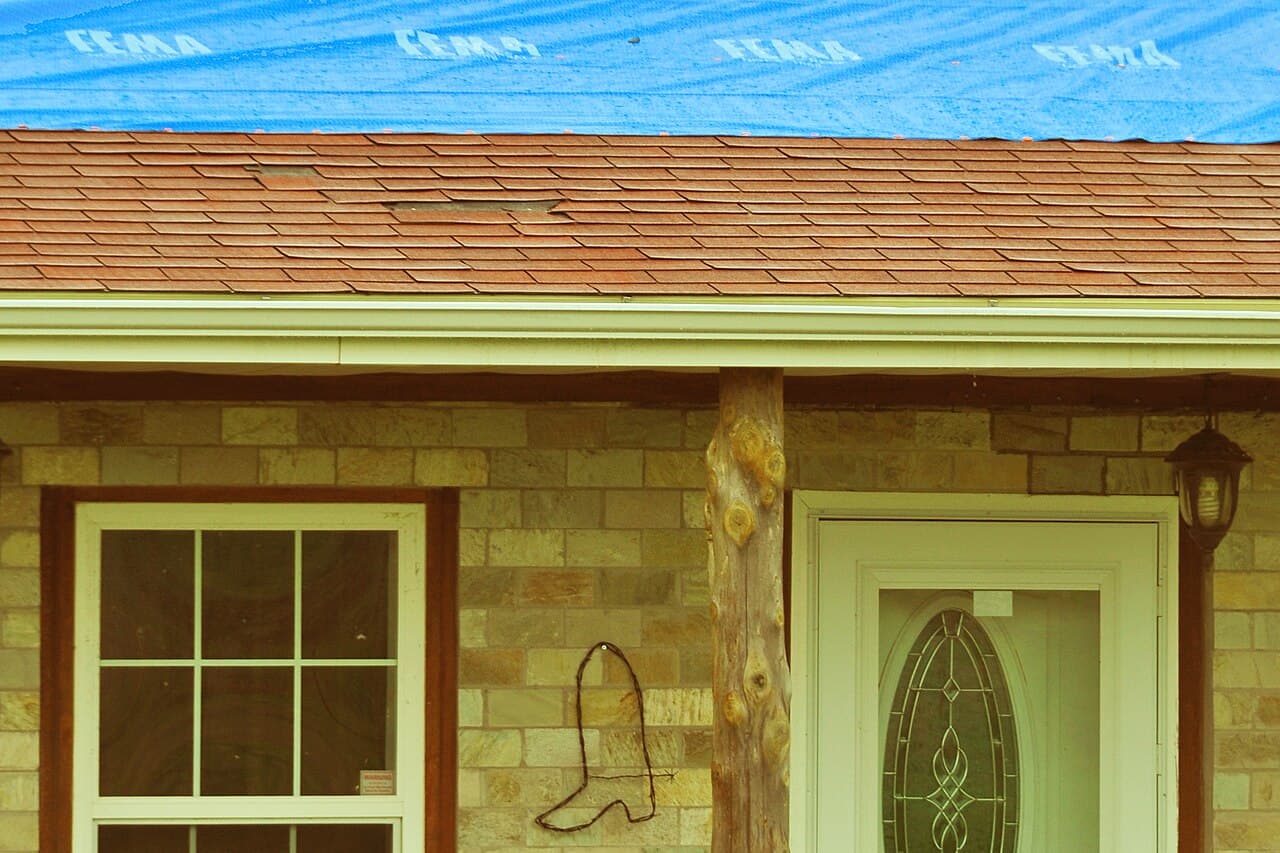
There is no official Virginia number for how long a roof tarp can stay up, and anyone who gives you a firm date is guessing. How long one lasts depends on the sheeting, how it was fastened, the pitch of the roof and the weather it has to get through. What the sources do agree on is the purpose: it is a stopgap. The Virginia Bureau of Insurance puts it plainly: "Placing tarps on the roof is a way of protecting your property from further damage."[1] The goal is to get from the tarp to a real repair without a long gap.
Why the clock matters
A tarp keeps most of the rain out, but it is a cover laid over a damaged roof, not a roof. Wind can work at its edges, sun and cold wear the material down, and water that finds a way under it can sit against the decking where you cannot see it. The longer it stays, the more chances that happens. So think of the tarp as buying you time to arrange repairs, not as the repair.
If you want to know how it is put on in the first place, see how a roof is tarped after storm damage.
What really sets the timeline
Most of the delay between tarp and repair comes from the insurance claim and the repair schedule, not the tarp.
Your insurer. Most companies want to see the damage before final repairs. The Bureau of Insurance says, "Unless the insurance company has advised you in writing to go ahead and make final repairs, you should wait."[1] Get the claim in early. Virginia requires that "insurance companies are required to acknowledge the receipt of your claim within 10 working days,"[1] and the Bureau can help if you meet unreasonable delays. Keep records as you go: the Bureau advises you to "keep receipts for all of your clean-up expenses"[1].
Roofer availability. After a widespread storm, good crews are booked for weeks. Book the permanent repair while the tarp is still fresh, and ask for a start date in writing.
Materials and the extent of the damage. A few missing shingles can be fixed quickly. A damaged deck, rafters or a whole slope takes longer to plan and order.
Weather. Roofers will not do a permanent repair in rain or high wind, so a stormy stretch pushes the date back, and also puts more load on the tarp.
Looking after a tarp while you wait
You can do a lot from the ground, without climbing anything.
- Look at the tarp from the yard after each wind or heavy rain for flapping edges, tears, pooling or sliding.
- Check the ceilings and attic below the damage for new stains, drips or damp insulation.
- Photograph anything new and send it to your insurer and your roofer.
- Call the roofer who put it up. They know how it was fastened and can re-secure it.
Keep off the roof. OSHA states, "Falls are the leading cause of death in the construction industry, accounting for over 3,500 fatalities between 2003 and 2013."[2] A tarp on a wet or damaged roof is slippery and a weakened deck may not hold you.
If the repair is going to take months rather than weeks, ask the roofer plainly how long the tarp should be expected to hold and what they would do to extend it, such as a second layer or additional fastening. Get the answer in writing.
When to call a licensed pro
Securing, checking, re-securing or replacing a roof tarp is roof work for a licensed roofer. If the work is valued at $1,000 or more, a valid Virginia contractor's licence is required for the category the contractor will work in.[3] Check the licence before you pay anyone new: how to check if a contractor is licensed in Virginia.
Call a roofer promptly if the tarp has torn or slid, if water is coming through the ceiling, or if the insurer has cleared the permanent repair and you want it scheduled. For choosing a crew, read who tarps a roof after storm damage; for what the work costs, how much emergency roof tarping costs in Virginia. While you wait, what to do when your roof starts leaking covers protecting the inside of the house. Browse all roofing answers or roofing repair businesses.
To get the permanent repair booked, describe the damage once and licensed local roofers quote it.
Common questions
- Is there a legal limit on how long a tarp can stay on?
- We found no Virginia rule that sets one for a homeowner's roof. The practical limits are the tarp itself, which is not built to last, and your insurance claim, which you should keep moving. If you expect a long wait, ask your city or county whether any local rules apply.
- Can I leave a tarp up all winter?
- Treat that as a last resort. Snow, ice and wind are hard on a tarp, and water that gets under it can soak the decking and insulation unseen. If the permanent repair has to wait, ask the roofer who installed it to inspect and re-secure it first, and again after major storms.
- Will my insurer pay for the tarp to be replaced if it fails?
- Ask your agent or insurer. The Virginia Bureau of Insurance says most homeowners policies cover the reasonable costs of emergency clean-up and temporary repairs, so keep receipts for any work and photographs of the damage.
- How do I know the tarp is failing?
- From the ground, look for flapping or lifted edges, tears, pooled water, or a tarp that has slid down the slope. Inside, watch for new stains or drips on the ceiling. Do not climb up to check; call the roofer.
- Who should I call when it needs attention?
- Call the roofer who installed it first, since they know where and how it was fastened. If you need a new crew, check the licence before you hire.
Sources
- [1] Disaster Strikes Insured Homeowners Loss, Bureau of Insurance, Virginia State Corporation Commission. Checked October 28, 2026.
- [2] Protecting Roofing Workers (OSHA 3755), U.S. Occupational Safety and Health Administration. Checked October 28, 2026.
- [3] What You Should Know Before You Hire a Contractor, Virginia Board for Contractors, DPOR. Checked October 28, 2026.
Want a pro to handle it?
Describe the job once. Licensed local businesses send quotes, and you pay only when you book one.
Get a quote for Roofing