Why does my well water smell or taste strange?
A rotten-egg smell is usually hydrogen sulfide gas, made by harmless bacteria in the well, a reaction in the water heater, or local geology. Salty, metallic or stained water points to other minerals. Note whether hot, cold or both taps are affected, then test at a certified lab, since bacteria cannot be smelled.
Free to ask. Local shops send quotes, and you pay only when you book one.
By Kasra Taheri, Founder, LoclisPublished
Researched and drafted with AI, then checked claim by claim against the sources listed below before it was published. Prices and rules change; the dates beside each source say when it was last checked.
Step by step
Read when to stop and call a pro, further down this page, before you start.
Step 1: Note where it shows up
Check whether the smell or taste is at the hot tap only, the cold tap only, or both, and whether it is new or long-standing.[1]
Step 2: Note recent changes
Write down any recent water heater work, well or pump repairs, flooding, or construction near the well.[3]
Step 3: Compare hot and cold
Fill a clean glass from each tap, smell each, and note color, cloudiness and stains.
Step 4: Match the symptom to a test
Use the symptom list: stains point to iron and manganese, a salty taste to chloride and sodium, a fuel odor to volatile organic compounds.[2]
Step 5: Test bacteria regardless
Collect a sample for total coliform bacteria, because bacteria cannot be seen, tasted, or smelled.[4]
Step 6: Send it to a certified lab
Use a certified lab or a drinking water clinic, and tell them the symptom so they add the right tests.[2]
Step 7: Keep the results
File the report with your well records so you can see whether the problem is changing.[2]
Match the smell to the likely cause
The most common complaint is a rotten-egg smell, and it usually comes from hydrogen sulfide gas. Virginia Cooperative Extension's water quality program explains that hydrogen sulfide gas occurs naturally as a byproduct of sulfur-reducing (or sometimes iron- or manganese-reducing) bacteria.[1] These bacteria may cause an unpleasant taste or odor, but they do not present a health threat to humans.[1]
Two other causes are worth knowing. Another possible source of hydrogen sulfide is a chemical reaction in the water heater between the aluminum corrosion control rod and the water.[1] And it can be from the geology, often in areas with shale underground.[1] The program's advice is to ask a few questions first: Do you notice the smell more in the hot water, or the same in the hot and cold water, and is it new or has it been going on a while?[1]
A smell that is stronger at the hot tap makes the water heater a suspect. A smell at every tap, hot and cold, points more toward the well or the ground it draws from.
It is also hard to prove with a lab report. The Extension program says it is very hard to test for in water, because it's a gas and basically escapes into the air immediately.[1] Labs test for sulfate instead, which can be connected to the smell but is not the same thing.[1]
Other tastes, stains and smells
Not every strange taste is sulfur. Virginia Cooperative Extension lists what to test for by symptom:[2]
- Orange or black stains: iron and manganese.
- Salty taste: chloride, sodium and total dissolved solids.
- Odor of gas or fuel: volatile organic compounds.
- Pin hole leaks or blue stains: pH, copper and lead.
The EPA's chart is similar: for an objectionable taste or smell it lists hydrogen sulfide, corrosion and metals as the substances to consider testing for.[3] Bacteria that feed on minerals in the water (iron, manganese, or sulfur) do not pose a health risk but can cause nuisance problems like the buildup of a bacterial slime (masses of bacteria that can clog plumbing systems), staining of porcelain fixtures, and/or odors.[4]
A chlorine or bleach taste has a simpler explanation if the home has a chlorinator or was recently disinfected. High chlorine concentrations can have objectionable tastes and odors.[4]
Do not treat a clean smell as a clean result
Bacterial contamination in water cannot be seen, tasted, or smelled.[4] Water that smells fine can still carry coliform bacteria, and a nuisance smell tells you nothing about whether it is safe. The EPA lists it among the reasons to test: "You notice a change in your water quality (i.e. odor, color, taste)."[3]
What to do this week
Work out where the problem shows up first: which taps, hot or cold, and whether anything changed recently, such as a new water heater, a repair or heavy rain. Fill a clean glass from the cold tap, then the hot, and compare. Write down what you find, with dates.
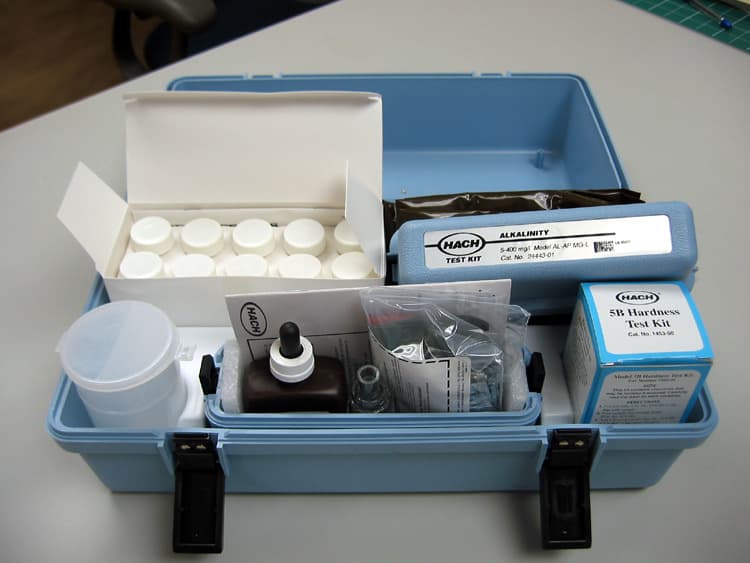
Then get the water tested. A certified laboratory or a drinking water clinic will tell you far more than your nose, and the notes help you choose the right panel. How to test well water covers sampling, where to get well water tested in Virginia lists labs and clinics, and what testing costs explains the price range. If the smell turns out to be hydrogen sulfide with no health risk, treatment is a decision about comfort, and a licensed well or water treatment provider can size the equipment to your results.
Stop and call a pro if
- The water smells of gasoline or fuel oil. The EPA's chart pairs "Odor of gasoline or fuel oil, and near gas station or buried fuel tanks" with volatile organic compounds.[3] Stop drinking it and call your local health department.
- The well has flooded. The EPA's advice is not to drink or wash from the flooded well to avoid becoming sick.[3] Get the well inspected and tested before using it.
- Anyone in the home has had stomach illness. A smell does not diagnose it. Boiling water vigorously for three minutes will kill fecal coliform bacteria while you wait for a lab result.[4]
- The water heater is the suspect. Swapping a rod inside a gas or electric water heater is a job for a licensed plumber.
- The smell began right after well or pump work. Call the contractor who did it, and see a licensed well driller if it persists.
Getting help in Virginia
More inspection answers and the inspection discover page cover related checks. If the results mean work on the well itself, describe the job and Loclis will match you with Virginia pros.
Common questions
- Why does my well water smell like rotten eggs?
- Usually hydrogen sulfide gas, which Virginia Cooperative Extension says occurs naturally as a byproduct of sulfur-reducing bacteria that thrive in the low-oxygen conditions common in groundwater wells. It can also come from a reaction in the water heater or from shale in the local geology. The bacteria involved may cause an unpleasant taste or odor but do not present a health threat.
- Why does only my hot water smell?
- Virginia Cooperative Extension points to the water heater as one possible source: a chemical reaction between the aluminum corrosion control rod and the water. Changing the rod to magnesium sometimes fixes it. Ask a licensed plumber to do the swap.
- Is smelly well water safe to drink?
- The smell alone does not tell you. Bacterial contamination cannot be seen, tasted, or smelled, so a lab test is the only reliable check. A fuel or gas odor is different: stop drinking the water and call your health department.
- Why does my water taste salty or metallic?
- Virginia Cooperative Extension suggests testing for chloride, sodium and total dissolved solids when water tastes salty, and iron, manganese or copper when you see stains. A basic panel from a certified lab covers most of these.
- Can I test for hydrogen sulfide myself?
- It is very hard to test for in water, because it is a gas that escapes into the air almost immediately. Labs usually test for sulfate, which can be connected to the smell but is not the same thing.
Sources
- [1] Virginia Household Water Quality Program: Frequently Asked Questions, Virginia Cooperative Extension, Virginia Tech. Checked October 27, 2026.
- [2] 10 Tips for Well Owners (BSE-367), Virginia Cooperative Extension, Virginia Tech. Checked October 27, 2026.
- [3] Private Wells: Protect Your Home's Water, U.S. Environmental Protection Agency. Checked October 27, 2026.
- [4] Virginia Household Water Quality Program: Bacteria and Other Microorganisms in Household Water (442-662), Virginia Cooperative Extension, Virginia Tech. Checked October 27, 2026.
Want a pro to handle it?
Describe the job once. Licensed local businesses send quotes, and you pay only when you book one.
Get a quote from a local pro