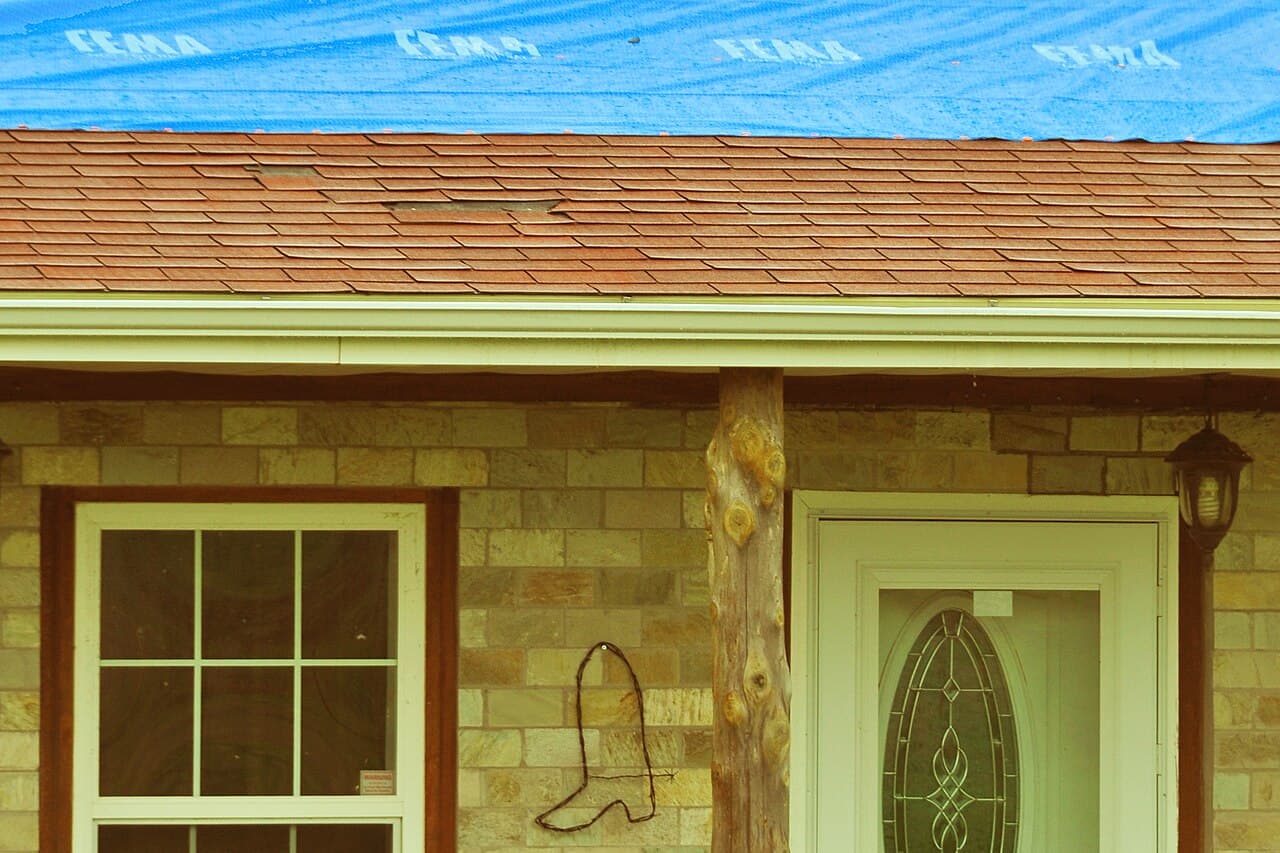
Who tarps a roof after storm damage?
A licensed Virginia roofing contractor tarps a storm-damaged roof. Call your insurer first, then hire a roofer whose licence class and specialty you have checked with DPOR. Be wary of door-to-door offers after a storm, insist on a written contract, limit your deposit and never go up on the roof yourself.
Free to ask. Local shops send quotes, and you pay only when you book one.
By Kasra Taheri, Founder, LoclisPublished
Researched and drafted with AI, then checked claim by claim against the sources listed below before it was published. Prices and rules change; the dates beside each source say when it was last checked.
This is a job for a licensed pro in Virginia
This page explains what the work involves, the permits, what a licensed pro does and what drives the cost. It does not give step-by-step instructions, because this work needs a licence, a permit or both, and doing it wrong can injure someone. Before you hire, check the licence on Virginia's DPOR record.
A licensed roofing contractor tarps a roof after storm damage. In Virginia that means a business holding a Board for Contractors licence with the right class and a roofing-related specialty. Start with your insurance company, which will tell you what it expects, then hire a roofer whose licence you have checked yourself. Be especially careful in the days after a storm, when door-to-door offers are common.
Who is allowed to do the work
Roofing contracting is the specialty for installing, repairing, removing or improving the materials that form a watertight, weather-resistant surface for roofs and decks.[4] The CBC and RBC building classes and the HIC and CIC specialties also cover that work.[4] In practice, look for a licensed roofing contractor, or a general or home-improvement contractor licensed for it, with a licence class that covers the size of the job.
If the work is valued at $1,000 or more, a valid Virginia contractor's licence is required for the category the contractor will work in.[2] A Class C contractor can take a single job over $1,000 but less than $30,000, and a Class B contractor one of $30,000 or more but less than $150,000.[5] A tarp job may be below those numbers or well above them if a tree is involved, so ask what licence the firm holds.
Who to call first
Your insurer. The Bureau of Insurance says, "Contact your agent or insurer immediately to discuss temporary repairs and the steps you should take to mitigate your damages."[1] It adds that "Some fire departments may be able to assist you."[1] You can choose your own roofer.
Local roofers. Ask neighbours and friends. The Bureau recommends dealing "only with established firms or individuals who can provide references and are willing to give you a signed contract."[1]
A tree service, if a tree is down. Removing the tree is separate work from tarping. Coordinate so the roofer can reach the damage safely.
Checking a licence and spotting scams
DPOR warns, "Scammers frequently attempt to profit from disasters by taking advantage of individuals who are rebuilding."[6] Verify a licence with DPOR's License Lookup or by calling (804) 367-8511.[6] DPOR also warns, "A license number in an advertisement or on a business card does not necessarily mean the contractor’s license is valid."[2] Read how to check if a contractor is licensed in Virginia for the steps.
The consequences are real: "Consumers have very little recourse against unlicensed contractors."[6]
Warning signs DPOR lists include "High-pressure or scare tactics", "Over-friendly sales pitches" and "Escalating prices".[6] It also says to be wary of door-to-door solicitations promising repairs at a discounted price, to insist on a written contract and to never pay for the entire job upfront.[6]
Before they climb up
Document the damage first. The Bureau advises you to "take photographs to show the way things look before you begin cleaning and repairing."[1] Ask the roofer for a written estimate, get the licence number on the contract, and keep every receipt, since the Bureau says "Most homeowners policies cover the reasonable costs of emergency clean-up and temporary repairs."[1] Pricing is covered in emergency roof tarping cost in Virginia.
When to call a licensed pro
For all of it. Tarping happens on a storm-damaged roof, and OSHA reports that falls from roofs accounted for nearly 1,200, or 34%, of construction fall deaths between 2003 and 2013.[3] Do not go up yourself. Read how a roof is tarped after storm damage to know what a good crew does, and what to do when your roof starts leaking for what to do inside the house meanwhile.
Browse roofing answers or find roofing repair businesses. When you are ready, describe the damage once and licensed local roofers respond.
Common questions
- Do I have to use my insurance company's contractor?
- No. Many insurers keep a list, but you can choose your own roofer. Whoever you choose should be licensed for the work.
- Is a tree service the same as a roofer?
- No. Removing a fallen tree and tarping the roof are different jobs. A tree service takes the tree off, and a roofer covers the damage, so plan the order with both.
- How do I check a roofer's licence?
- Use DPOR's License Lookup or call (804) 367-8511. Match the name, licence number, class and specialty to what is on the estimate.
- Can a handyman tarp my roof?
- Check first. DPOR says that if the work is valued at $1,000 or more, a valid Virginia contractor's licence is required for the category the contractor will work in. A storm-damaged roof is also a fall hazard, so a roofing crew with safety equipment is the better choice.
- What if a stranger offers to tarp it for free?
- Be careful. DPOR warns about door-to-door solicitations after disasters and lists high-pressure tactics and deals that sound too good to be true as scam signals. Check the licence and get a written contract before anyone starts.
Sources
- [1] Disaster Strikes Insured Homeowners Loss, Bureau of Insurance, Virginia State Corporation Commission. Checked October 27, 2026.
- [2] What You Should Know Before You Hire a Contractor, Virginia Board for Contractors, DPOR. Checked October 27, 2026.
- [3] Protecting Roofing Workers (OSHA 3755), U.S. Occupational Safety and Health Administration. Checked October 27, 2026.
- [4] 18VAC50-22-30, Definitions of specialty services, Virginia Board for Contractors (Virginia Administrative Code). Checked October 27, 2026.
- [5] Va. Code § 54.1-1100, Definitions (contractor classes), Code of Virginia. Checked October 27, 2026.
- [6] Disaster Recovery: Avoiding Fraud, Virginia Department of Professional and Occupational Regulation. Checked October 27, 2026.
Want a pro to handle it?
Describe the job once. Licensed local businesses send quotes, and you pay only when you book one.
Get a quote for Roofing