How much does flea treatment cost in Virginia?
There is no official price list, so the cost depends on the job: how many rooms need treating, how bad the infestation is, whether the yard is included, how many follow-up visits the plan has, and whether wildlife is the source. Your pets' flea products from the veterinarian are a separate, ongoing cost. Get two or three written quotes from licensed businesses and compare what each covers.
Free to ask. Local shops send quotes, and you pay only when you book one.
By Kasra Taheri, Founder, LoclisPublished
Researched and drafted with AI, then checked claim by claim against the sources listed below before it was published. Prices and rules change; the dates beside each source say when it was last checked.
Step by step
Read when to stop and call a pro, further down this page, before you start.
Step 1: Treat the pets first
Start every pet on a flea product your veterinarian recommends; without it, no house treatment lasts.[1]
Step 2: Note where pets rest
List the rooms, furniture and outdoor spots where your pets sleep and spend time, since that is where treatment is needed.
Step 3: Ask for an inspection
Ask each company to inspect and outline a written program before quoting.[2]
Step 4: Get two or three bids
Collect bids from two or three licensed companies and compare value, not just price.[2]
Step 5: Compare what is included
Check each quote for rooms treated, yard work, products, follow-up visits and what happens if fleas persist.
Step 6: Check the license
Confirm the business holds a Virginia pesticide business license and employs a certified commercial applicator.[3]
Step 7: Prepare the house
Before the visit, clear floors, wash pet bedding and vacuum thoroughly so the treatment reaches where fleas develop.[1]
There is no official price list for flea treatment, and companies price the work in different ways, so the honest answer is that it depends on the job. What you can control is what you pay for. A good quote names the rooms, the products, the follow-up visits and what happens if fleas persist, and it comes from a business licensed to apply pesticides in Virginia.
The first cost is your pets, not the house
Most flea problems can be eliminated by treating the pet and, if needed, the inside of the home.[1] As long as every pet stays treated, fleas still developing in the house emerge, jump on a pet and die, though a severe infestation can take several weeks to clear.[1] So before you price an exterminator, price the flea product your veterinarian recommends for each animal, multiplied by how long you will keep using it.
That is an ongoing cost. Some of the most effective products are given monthly and at least one every 3 months,[1] and whether the interval is seasonal, such as summer and fall, or year round depends on where you live.[1] Ask your vet what they suggest for your part of Virginia. A house treatment without treated pets is money spent twice.
What drives a professional quote
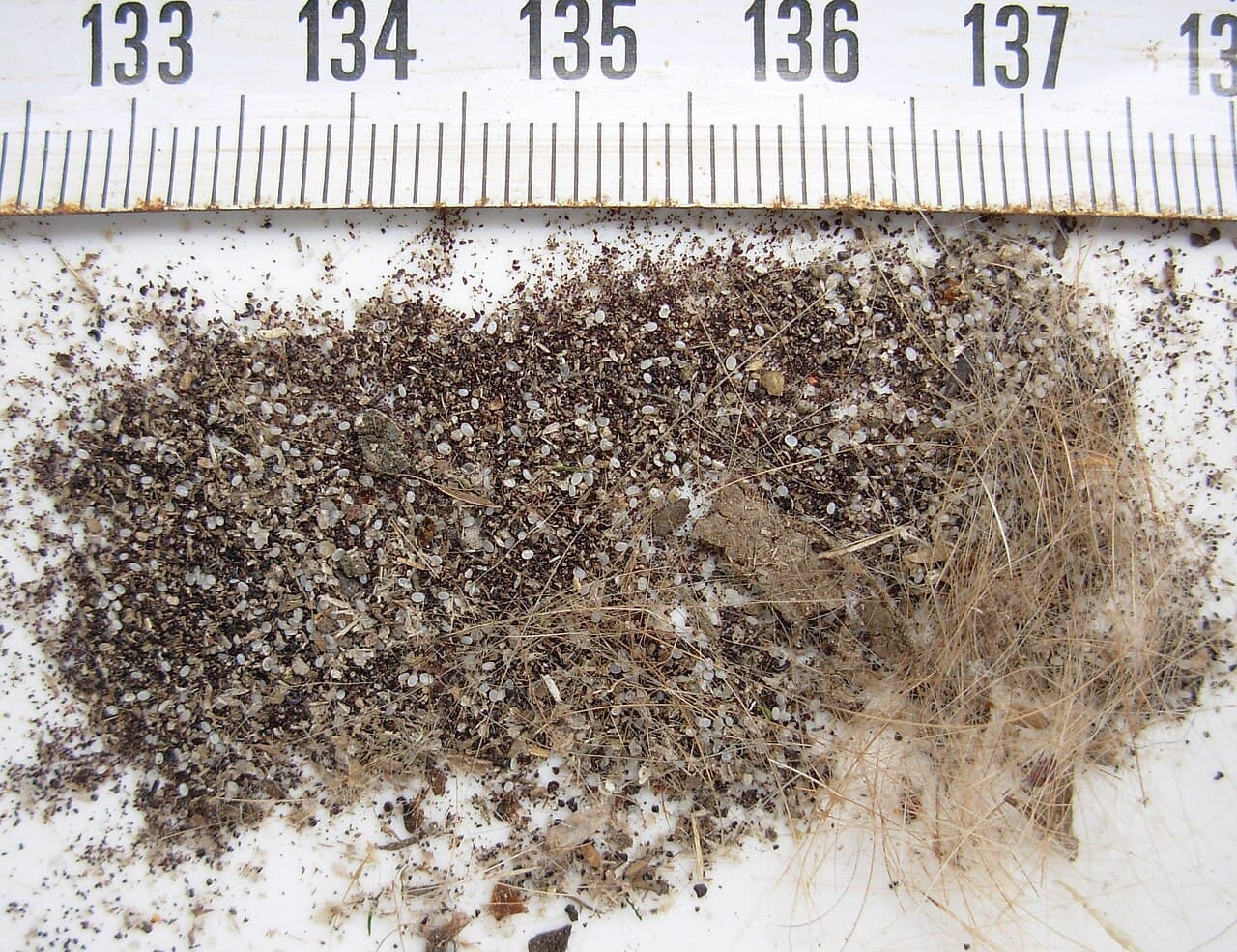
How much of the house needs treating. Flea eggs and larvae collect where pets rest, so the size of the job follows your pets. A company should treat carpets, throw rugs, under and behind beds and furniture, and beneath cushions where pets sleep, while hardwood, tile and concrete floors generally need only vacuuming.[1] A home with mostly hard floors and one cat bed is a smaller job than a fully carpeted house with two dogs on every sofa.
How bad it is. Treating the house along with the pets mainly speeds things up, especially in a severe infestation where people and pets are being bitten.[1] A light infestation caught early may need no professional visit at all.
Whether the yard is included. Treat outside only if you have heavily infested areas.[6] Outdoor treatment should focus on where pets rest, sleep and run, such as the doghouse, kennel, fence lines, under decks and next to the foundation, and it is seldom necessary to treat the whole yard or areas in full sun.[1] A quote that sprays the entire lawn by default is worth questioning. Keeping fleas out of the yard covers what you can do yourself.
Follow-up visits. Expect to see some fleas for a few weeks or longer after a treatment, because fleas in their cocoons are protected from insecticide and keep emerging.[1] If adult fleas are still showing up after 4 weeks, the house, the pets or both may need treating again.[1] Ask whether a return visit is in the price or billed separately.
Wildlife. When fleas show up in a home with no pets, raccoons, opossums, skunks or squirrels are often the source, and the animals should be removed by a nuisance wildlife or pest control professional before the home is treated.[1] That is a separate job with its own price; see what wildlife removal costs in Virginia.
Licensing and insurance. In Virginia, no one may apply or recommend a pesticide commercially without a pesticide business license and a certified commercial applicator responsible for the application.[3] A licensed pesticide business has to show insurance of at least $100,000 for property damage, $100,000 for injury to or death of one person and $300,000 per occurrence, keep that coverage, and keep written records of every pesticide it applies commercially for two years.[4] A much lower bid from someone without those may skip what you are paying for.
What to ask for in a written quote
Ask each company to inspect first and put its plan in writing. EPA's checklist for a pest control proposal covers the pests to be controlled, the extent of the problem, the active ingredients, their possible health effects, how the product will be applied, non-chemical alternatives, how to reduce your exposure, and how to prevent the problem in future.[2] For fleas, also ask:
- Which rooms and outdoor areas are included, and what you need to do to prepare.
- Whether the product includes an insect growth regulator, which halts the development of flea eggs and larvae.[1]
- How long people and pets must stay off treated areas.
- How many visits are included, and what happens if fleas are still there after four weeks.
- Ask whether the company is insured and can show proof on paper.[2]
EPA suggests getting bids from two or three companies and looking at value more than price, since what looks like a bargain may deserve a second look.[2] EPA also advises being wary of a company that will not stand behind its work, and finding out what you must do to keep your side of the bargain.[2] For fleas, your side is usually keeping the pets treated and vacuuming.
How to keep the bill down
The cheapest flea treatment is the one you start early, because ignored early signs can let an infestation quickly spiral out of control.[1] Daily vacuuming is the best first step for a flea infestation, because it removes eggs, larvae and adults.[5] If you do hire, prepare properly so one visit does more. Before a premises treatment, clear toys, clothing and stored items from floors, under beds and in closets, pick up pet dishes, wash pet bedding and vacuum thoroughly.[1] Skip store-bought bug bombs as a money saver: total-release foggers are seldom effective against fleas[1] and you may end up paying for a proper treatment anyway. The full do-it-yourself routine is in how to get rid of fleas in the house.
Stop and call a pro if
- Fleas are biting people and pets heavily and you want the infestation over faster than cleaning alone will do it.
- Adult fleas are still appearing after four weeks of treating every pet and vacuuming daily.
- You have no pets and suspect an animal in the attic, chimney or crawl space.
- A company offers to treat without a Virginia pesticide business license; paid pesticide application requires one.[3]
Getting quotes on Loclis
For the wider picture, read what pest control costs in Virginia and whether you need an exterminator for fleas at all. Browse flea and tick services, find pest control around Blacksburg, or see more pest control answers. When you are ready, describe the job on Loclis and licensed pest control businesses can quote it.
Common questions
- Is there a standard price for flea treatment in Virginia?
- No. There is no official price list, and companies price flea work differently: some by the visit, some by the size of the home, some as a package with follow-up visits. Compare written quotes that list the same scope.
- Will one visit get rid of fleas?
- Often not by itself. Fleas sealed in cocoons survive the treatment and keep emerging for a few weeks or longer. If adult fleas are still showing up after four weeks, the house, the pets or both may need treating again, so ask whether a follow-up visit is included in the price.
- Do I have to pay to have the yard treated?
- Usually not. Most flea problems clear up with pet treatment and, if needed, an indoor treatment. Yard work is worth paying for mainly when pets spend most of their time outside, and then only in the shaded spots where they rest.
- Is it cheaper to do it myself?
- Usually, if the infestation is caught early. The core of the work is treating every pet, vacuuming daily and washing bedding, which costs little beyond the pet products. Hiring makes most sense for a severe infestation or when fleas persist after four weeks.
- Why did my quote include wildlife removal?
- When fleas turn up in a home without pets, an animal living in the attic, chimney or crawl space is often the source. Removing it is separate work from flea treatment, and the fleas come back if the animal stays.
Sources
- [1] Flea Control and Prevention (ENTFACT-602), University of Kentucky Department of Entomology. Checked October 26, 2026.
- [2] Citizen's Guide to Pest Control and Pesticide Safety, U.S. Environmental Protection Agency. Checked October 26, 2026.
- [3] Code of Virginia § 3.2-3924. Annual business license required, Virginia General Assembly, Legislative Information System. Checked October 26, 2026.
- [4] Pesticide Business License, Virginia Department of Agriculture and Consumer Services. Checked October 26, 2026.
- [5] Controlling Fleas and Ticks Around Your Home, U.S. Environmental Protection Agency. Checked October 26, 2026.
- [6] Fleas, National Pesticide Information Center, Oregon State University and U.S. EPA. Checked October 26, 2026.
Want a pro to handle it?
Describe the job once. Licensed local businesses send quotes, and you pay only when you book one.
Get a quote from a local pro