Do I need an exterminator for fleas, or will treating my pet work?
Often treating the pet works, if every dog and cat in the home is on an effective vet-recommended product and you vacuum daily and wash pet bedding. Fleas still developing in the house emerge, jump on a treated pet and die. Call a licensed exterminator for a severe infestation, fleas still appearing after four weeks, a home with no pets, or pets that cannot be treated.
Free to ask. Local shops send quotes, and you pay only when you book one.
By Kasra Taheri, Founder, LoclisPublished
Researched and drafted with AI, then checked claim by claim against the sources listed below before it was published. Prices and rules change; the dates beside each source say when it was last checked.
Step by step
Read when to stop and call a pro, further down this page, before you start.
Step 1: Treat every pet
Put every dog and cat in the home on a flea product your veterinarian recommends, matched to species and weight.[4]
Step 2: Vacuum every day
Vacuum carpets, cushioned furniture, floor cracks and baseboards daily, focusing on where pets rest.[3]
Step 3: Wash the bedding
Wash pet bedding and any bedding pets lie on in hot, soapy water.[3]
Step 4: Track progress
Comb pets with a flea comb every few days and note whether you are finding fewer fleas.
Step 5: Decide at four weeks
If adult fleas are still showing up after four weeks, plan a further treatment of the house, the pets or both.[1]
Step 6: Check the license
If you hire, confirm the business holds a Virginia pesticide business license with a certified commercial applicator.[7]
Step 7: Get the plan in writing
Ask the company to inspect and give you a written plan naming the products, areas, visits and preparation.[6]
Often, treating the pet is the main fix, and it works when you treat every animal in the home with an effective product and keep cleaning. Most flea problems can be eliminated by treating the pet and, if needed, the inside of the home.[1] An exterminator earns their fee in a narrower set of cases: a severe infestation, fleas that hang on past four weeks, fleas in a home with no pets, or pets that cannot safely be treated.
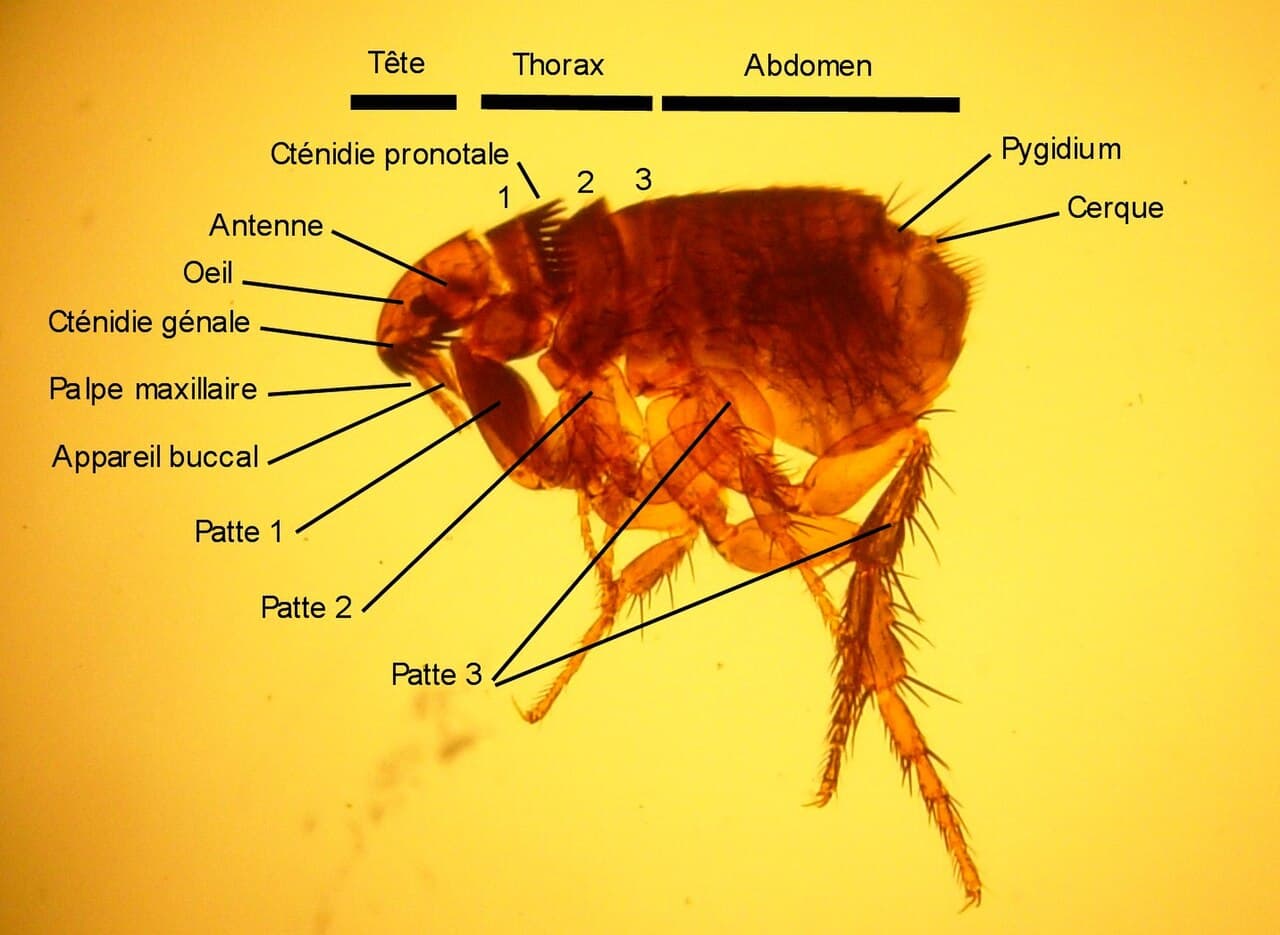
Why treating the pet usually works
Adult fleas spend most of their time on the dog or cat, not in the carpet, and lay all their eggs in the fur,[1] where the eggs soon fall off. The most effective flea medications today tend to be oral tablets or spot-on liquids,[1] and they kill adult fleas within 24 hours of them jumping on the animal and stay potent until the next dose, so the fleas cannot reproduce and drop more eggs into the home.[1] Your treated pet becomes a trap. As long as every pet stays treated, the fleas still developing in the house emerge, jump on a pet and die.[1] With a severe infestation that can take several weeks,[1] but the infestation runs out.
It only works if you get the details right:
- Every pet. One untreated dog or cat keeps laying eggs in the house.
- The right product. Use a product only on the species and size or weight its label names, and never use a dog product on a cat or the reverse.[4] Products that worked well in the past may be less effective because flea populations develop resistance, and veterinarians tend to know which products are performing well locally.[1]
- The house, too. Daily vacuuming is the best first step for a flea infestation, because it removes eggs, larvae and adults.[3] Wash pet bedding, and any family bedding pets lie on, in hot, soapy water every two to three weeks.[3]
The full routine is in how to get rid of fleas in the house.
Be patient for the first few weeks
The most common reason people call an exterminator too early is that they still see fleas after treating. Expect to see some fleas for a few weeks or longer even after a good treatment, because fleas in their cocoons are protected from insecticide.[1] Keep vacuuming, which coaxes them out sooner. The signal that something is wrong is time: if adult fleas are still showing up after 4 weeks, the house, the pets or both may need treating again.[1] Why you still have fleas after treating your pet lists the usual causes to check first.
When an exterminator is worth it
A severe infestation. Treating the house along with the pets speeds things up, especially in a severe infestation where people and pets are being bitten.[1] You can buy and apply a labeled indoor spray yourself, but homeowners who do not want to treat the house themselves can hire a professional pest control firm.[1]
Fleas still there after four weeks. A professional can find the spots you missed, such as a pet's hiding place under a bed or a crawl space the dog goes into.
No pets in the house. When fleas infest a home without pets, raccoons, opossums, skunks or squirrels are often the culprit, living in the attic or chimney or under the house, and they should be removed by a nuisance wildlife or pest control professional before the home is treated.[1] Rodents and wildlife can bring fleas into a home, and the flea species can point to animals you did not know were in the attic or crawl space.[2] Wildlife removal is its own trade; see how wildlife removal companies get animals out of an attic.
Pets you cannot treat the usual way. No flea and tick products are marketed specifically for reptiles, rabbits, ferrets and other furry pets; ask your veterinarian.[4] Puppies and kittens too young for flea products can be kept clear with a flea comb instead.[5] Talk to your veterinarian before using a product on a weak, old, medicated, sick, pregnant or nursing pet, or one that has reacted to a flea product before.[5] In these homes, treating the house matters more.
What the law requires of the company
In Virginia, no one may apply or recommend a pesticide commercially without a pesticide business license and a certified commercial applicator responsible for the safe application and for recommendations.[7] The license comes from the Virginia Department of Agriculture and Consumer Services.[8] A separate license is required for each business location, and every license expires on March 31 each year and must be renewed.[8] Licensed businesses must carry insurance and keep written records of the pesticides they apply commercially for two years.[8] Do pest control companies need a license in Virginia explains the rules in more depth.
How to hire well
A good company will inspect your home and outline a recommended program: the pests, the extent of the problem, the active ingredients, their possible health effects, how the product will be applied, non-chemical alternatives, how to reduce your exposure, and how to prevent the problem from coming back.[6] Get bids from two or three companies and look at value more than price.[6] Ask the company to use the least toxic chemical method that will do the job, and ask to see the product label.[6] Tell them about pets, infants, anyone with allergies and any fish tanks before they treat. If you think something went wrong with an application, contact the company and your state pesticide agency.[6]
Stop and call a pro if
- Fleas are biting people and pets heavily and you want faster relief than pet treatment and cleaning give.
- Adult fleas keep appearing after four weeks of treating every pet and vacuuming daily.
- You have no pets, or you hear or smell an animal in the attic, chimney or crawl space.
- A pet in the home cannot use the usual flea products and the house needs treating instead.
- A pet reacts badly to a flea product; call your veterinarian first.
Hiring through Loclis
What flea treatment costs in Virginia explains what drives a quote. Browse flea and tick services, find pest control around Blacksburg or read more pest control answers. When you are ready, describe the job on Loclis and licensed pest control businesses can quote it.
Common questions
- Will a flea collar or shampoo be enough?
- Oral tablets and spot-on liquids tend to be the most effective flea medications today: they kill adult fleas within a day of reaching the pet and keep working until the next dose. Ask your veterinarian which product fits each pet, and treat every animal in the home.
- How long should I wait before calling an exterminator?
- Expect some fleas for a few weeks after you start, because fleas sealed in cocoons keep emerging. If adult fleas are still showing up after four weeks of treating every pet and vacuuming daily, the house, the pets or both may need treating again, and that is a sensible point to call a professional.
- Does the exterminator treat my pet too?
- No. A pest control company treats the home and, if needed, the yard. Your pets need their own product from your veterinarian or the store, and the house treatment will not last without it.
- Do pest control companies need a license in Virginia?
- Yes. Anyone who applies or recommends pesticides commercially in Virginia needs a pesticide business license from VDACS and must employ a certified commercial applicator. Each business location needs its own license, renewed every year.
- I have no pets. Who do I call?
- Start with a pest control or wildlife professional. In a home without pets, fleas usually come from raccoons, opossums, skunks, squirrels or rodents living in the attic, chimney or crawl space. The animals have to be removed before treating the house is worth it.
- What should I ask an exterminator before hiring?
- Ask for a written plan after an inspection: the products and active ingredients, which areas will be treated, how to prepare and how long to stay off treated areas, how many visits are included, and what happens if fleas persist. Ask for proof of insurance and their Virginia pesticide business license.
Sources
- [1] Flea Control and Prevention (ENTFACT-602), University of Kentucky Department of Entomology. Checked October 26, 2026.
- [2] Fleas, National Pesticide Information Center, Oregon State University and U.S. EPA. Checked October 26, 2026.
- [3] Controlling Fleas and Ticks Around Your Home, U.S. Environmental Protection Agency. Checked October 26, 2026.
- [4] Controlling Fleas and Ticks on Your Pet, U.S. Environmental Protection Agency. Checked October 26, 2026.
- [5] Safe Use of Flea and Tick Products in Pets, U.S. Food and Drug Administration. Checked October 26, 2026.
- [6] Citizen's Guide to Pest Control and Pesticide Safety, U.S. Environmental Protection Agency. Checked October 26, 2026.
- [7] Code of Virginia § 3.2-3924. Annual business license required, Virginia General Assembly, Legislative Information System. Checked October 26, 2026.
- [8] Pesticide Business License, Virginia Department of Agriculture and Consumer Services. Checked October 26, 2026.
Want a pro to handle it?
Describe the job once. Licensed local businesses send quotes, and you pay only when you book one.
Get a quote from a local pro