Why do I still have fleas after treating my pet?
Usually because fleas already in the house are still hatching. Eggs, larvae and cocoons in carpet and furniture keep producing new adults for a few weeks after a pet is treated, and cocoons resist insecticide. Other causes are an untreated pet, the wrong product or dose, resistance to the product, wildlife bringing fleas in, or reinfestation from outdoors. Fleas past four weeks need a closer look.
Free to ask. Local shops send quotes, and you pay only when you book one.
By Kasra Taheri, Founder, LoclisPublished
Researched and drafted with AI, then checked claim by claim against the sources listed below before it was published. Prices and rules change; the dates beside each source say when it was last checked.
Step by step
Read when to stop and call a pro, further down this page, before you start.
Step 1: Check the calendar
Count the weeks since treatment began; some fleas for a few weeks is normal, past four weeks is not.[1]
Step 2: Count the pets
Confirm every dog and cat in the home, including outdoor cats, is on a current flea product.
Step 3: Reread the label
Check that each product matches the pet's species and weight and is given at the interval the label states.[7]
Step 4: Ask about resistance
If the product seems to have stopped working, ask your veterinarian whether another product performs better locally.[1]
Step 5: Vacuum daily
Vacuum carpets, furniture, floor cracks and baseboards every day to remove eggs and larvae and coax adults out of cocoons.[4]
Step 6: Wash the bedding
Wash pet bedding and any bedding pets lie on in hot, soapy water.[4]
Step 7: Find the hot spots
Check under beds, sofa cushions and closets where a pet hides or sleeps, and clean and treat those spots too.[1]
Step 8: Look outside
Walk shaded pet resting spots in white socks pulled high; fleas show up against the white.[1]
Step 9: Rule out wildlife
Listen and look for animals in the attic, chimney or crawl space, especially in a home with no pets.[3]
The most likely reason is that the treatment is working and the fleas you see are new ones hatching from the house. Even after the pet and the home are treated, expect to see some fleas for a few weeks or longer.[1] If it has been longer than that, one of a handful of other causes is usually to blame, and each has a fix.
Reason 1: the house is still full of developing fleas
Adult fleas lay their eggs in the pet's fur, 40 to 50 a day, and the eggs soon fall off into carpet, under furniture cushions and wherever the pet rests or sleeps.[1] The larvae hide under carpet fibers and cushions, feeding mainly on the dried blood adult fleas leave behind, then spin silk cocoons covered in bits of debris.[1] At normal room temperatures, the whole cycle from egg to adult can take about 18 days.[2] So on the day you treat your pet, there may be weeks of fleas already in the pipeline.
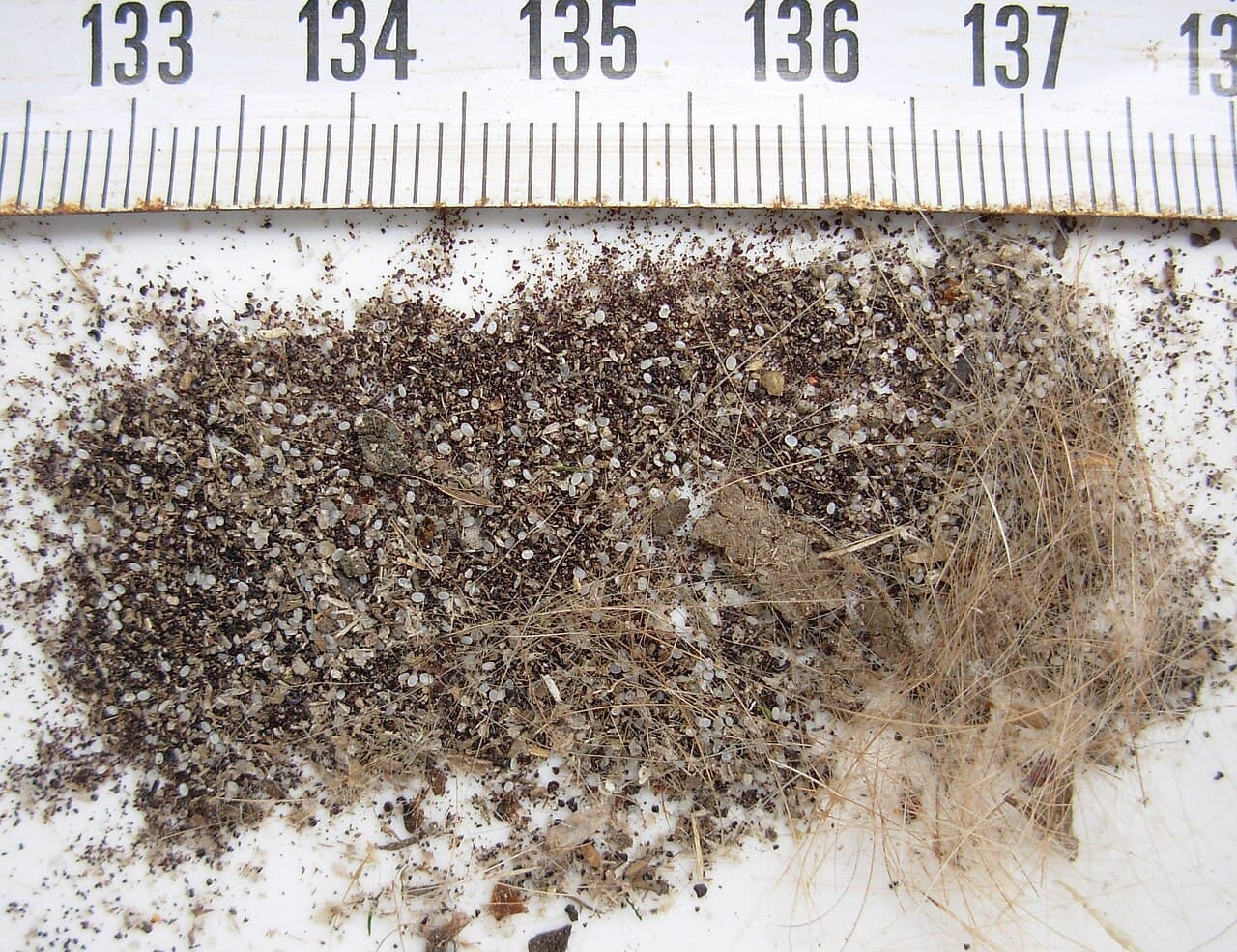
The cocoons are the stubborn part. Pupae stay in the cocoon for 1 to 4 weeks, and longer when conditions are poor, for example when an infested home sits empty.[1] At cool temperatures, fully formed fleas can stay in their cocoons for up to 12 months, and warmth and the pressure of walking or vacuuming on carpet trigger them to emerge.[2] That is why a house that sat vacant can erupt in fleas a few days after a family moves in. The cocoon is impervious to insecticides, another reason fleas can persist after the pet and home are treated.[1]
The fix: time and vacuuming. Daily vacuuming is the best first step for a flea infestation, because it removes eggs, larvae and adults.[4] Vacuuming also stimulates fleas to emerge sooner from their cocoons, bringing them into contact with the treatment.[1] Keep going rather than respraying. If adult fleas are still showing up after 4 weeks, the house, the pets or both may need treating again.[1]
Reason 2: not every pet is treated
A treated pet ends an infestation only as long as all pets remain treated.[1] An outdoor cat, a second dog that hates pills, or a pet that was skipped this month keeps laying eggs in the house. Treating only the scratching pet does nothing for the one that is quietly carrying the colony.
The fix: treat every dog and cat in the home, on schedule, with a product meant for that animal.
Reason 3: the product, the dose or the schedule is off
- Wrong animal or weight. Use products only on the species and the size or weight the label names; products are designed for specific weights.[5] Using a product made for a larger animal can overexpose a smaller pet to the pesticide.[5]
- Wrong schedule. Follow the label exactly. As FDA puts it, "If the label says use weekly, don't use it daily,"[7] and a monthly product given late leaves a gap in which fleas lay eggs.
- A weaker type of product. Flea shampoos and soaps, powders and dusts, spray-on liquids and dips are less effective, and more hazardous to pets and people, than spot-ons, oral products and some collars.[2] A bath kills the fleas on the pet that day and little else.
- Resistance. Products that worked well in the past may be less effective because flea populations have developed resistance, and veterinarians tend to know which products are performing well locally.[1]
The fix: reread every label, and if the product seems to have stopped working, ask your veterinarian about switching.
Reason 4: new fleas keep arriving
Pets keep picking up new fleas at kennels and groomers and while moving through yards and neighborhoods, and opossums, raccoons and other wildlife seed fleas into those outdoor spaces.[1] The way to stop that is to keep pets on a preventive product, seasonally or year round depending on where you live, so stray fleas die before they lay eggs.[1]
To check the yard: if your pets spend most of their time outdoors, walk the property in white athletic socks pulled high on the leg; adult fleas show up against the white.[1] Check shaded areas where your pets often lie outside.[3] Keeping fleas out of the yard covers what to do if you find them.
Reason 5: wildlife is bringing them in
Especially if you don't have pets, rodents and wildlife can bring fleas into your home, and the flea species can reveal animals in the attic or crawl space.[3] A family of raccoons or opossums in the attic or chimney, or a skunk or feral cat living beneath the house, can be a hidden source of fleas, and the animals should be removed by a nuisance wildlife or pest control professional before the home is treated.[1] Scratching or thumping overhead at night is a clue; see what animal is living in your attic.
Reason 6: a spot was missed
Pay particular attention to where pets spend much of their time, since most of the eggs, larvae and pupae are concentrated there; if the cat sleeps on a chair or hides under a bed, those spots need treating too.[1] Closets, the car, a basement couch and a dog's crate are easy to forget. If you are not finding fleas on the pet at all, make sure the bites are fleas; how bed bug bites compare with other bites can help.
Stop and call a pro if
- Adult fleas are still appearing after four weeks of treating every pet and vacuuming daily.
- You have no pets, or you suspect an animal in the attic, chimney, crawl space or under a porch.
- Fleas are biting people heavily and you want the house treated professionally; in Virginia no one may apply or recommend a pesticide commercially without a pesticide business license and a certified commercial applicator on staff.[8]
- A pet shows signs of a reaction to its flea product, such as trembling, vomiting or seizures; call your veterinarian right away.[7][6]
Getting help on Loclis
Start with how to get rid of fleas in the house for the full routine, or read whether you need an exterminator for fleas. Browse flea and tick services, find pest control around Blacksburg or see more pest control answers. When you are ready, describe the job on Loclis so licensed pest control businesses can quote it.
Common questions
- Is it normal to see more fleas after treating my pet?
- Seeing some fleas for a few weeks is normal. New adults keep emerging from cocoons in the carpet and furniture, and vacuuming can make more of them hatch at once. That is a good sign: emerging fleas jump on the treated pet and die. Keep vacuuming and keep the pet treated.
- How long can flea cocoons survive?
- Usually one to four weeks, but longer when conditions are poor. In cool conditions a fully formed flea can stay in its cocoon for up to 12 months, then emerge when warmth, footsteps or vacuuming disturb it. That is why fleas can appear in a house that has been empty.
- Why did fleas appear when we moved into a house that was empty?
- Fleas left by a previous owner's pets can wait in their cocoons while a house is vacant, then emerge when people move in and walk on the carpet. Treat any pets you bring, vacuum daily, and consider treating the carpet with a product containing an insect growth regulator.
- Should I reapply the flea treatment if I still see fleas?
- Not straight away. Cocoons resist insecticide, so spraying again does little while they are still hatching. Keep vacuuming instead. If adult fleas are still showing up after four weeks, the house, the pets or both may need treating again.
- Can my pet's flea medicine stop working?
- Yes, a product that worked in the past may become less effective as local flea populations develop resistance. If a correctly dosed product seems to have stopped working, ask your veterinarian which products are performing well in your area.
- I treated my dog. Why is my cat still scratching?
- Every animal in the home needs its own treatment. Fleas lay eggs on whichever pet they live on, so an untreated cat keeps reseeding the house. Never use the dog's product on the cat; some ingredients are more toxic to one species than the other.
Sources
- [1] Flea Control and Prevention (ENTFACT-602), University of Kentucky Department of Entomology. Checked October 26, 2026.
- [2] Pest Notes: Fleas, University of California Statewide IPM Program. Checked October 26, 2026.
- [3] Fleas, National Pesticide Information Center, Oregon State University and U.S. EPA. Checked October 26, 2026.
- [4] Controlling Fleas and Ticks Around Your Home, U.S. Environmental Protection Agency. Checked October 26, 2026.
- [5] Controlling Fleas and Ticks on Your Pet, U.S. Environmental Protection Agency. Checked October 26, 2026.
- [6] What to Do if Your Pet has an Adverse Reaction to a Flea and Tick Product, U.S. Environmental Protection Agency. Checked October 26, 2026.
- [7] Safe Use of Flea and Tick Products in Pets, U.S. Food and Drug Administration. Checked October 26, 2026.
- [8] Code of Virginia § 3.2-3924. Annual business license required, Virginia General Assembly, Legislative Information System. Checked October 26, 2026.
Want a pro to handle it?
Describe the job once. Licensed local businesses send quotes, and you pay only when you book one.
Get a quote from a local pro