How do I get rid of fleas in my house?
Treat every pet and the house at the same time. Start all dogs and cats on a flea product your veterinarian recommends, vacuum carpets, furniture and pet resting spots every day, wash pet bedding in hot water, and spot-treat where pets rest with a spray that contains an insect growth regulator. Expect new fleas for a few weeks as cocoons hatch, and skip bug bombs.
Free to ask. Local shops send quotes, and you pay only when you book one.
By Kasra Taheri, Founder, LoclisPublished
Researched and drafted with AI, then checked claim by claim against the sources listed below before it was published. Prices and rules change; the dates beside each source say when it was last checked.
Step by step
Read when to stop and call a pro, further down this page, before you start.
Step 1: Confirm it is fleas
Comb your pet over a pale surface and look for small, dark brown fleas or dark, pepper-like flea dirt in the fur.[5]
Step 2: Treat every pet
Start every dog and cat in the home on a flea product your veterinarian recommends, matched to the animal's species and weight.[3]
Step 3: Clear the floors
Pick up toys, clothing and stored items from floors, under beds and in closets so every area can be vacuumed and treated.[5]
Step 4: Vacuum every day
Vacuum carpets, cushioned furniture, floor cracks, baseboards and the spots where pets rest and sleep.[2]
Step 5: Bag the debris
Seal the vacuum bag or canister contents in a garbage bag and put it in an outdoor trash can.[5]
Step 6: Wash bedding hot
Wash pet bedding and any family bedding pets lie on in hot, soapy water, and throw out old bedding in a bad infestation.[2]
Step 7: Steam clean
Steam clean carpets and upholstered furniture where pets spend time to kill fleas at every life stage.[2]
Step 8: Spot-treat with an IGR
Where pets rest, apply an indoor flea spray whose label lists an adult killer plus an insect growth regulator, following the label exactly.[5]
Step 9: Stay off until dry
Keep people and pets off treated carpet and furniture until the spray has dried.[5]
Step 10: Keep vacuuming, do not respray
Keep vacuuming daily for the next few weeks while new fleas emerge, instead of spraying again.[5]
Step 11: Keep pets on prevention
Keep every pet on a preventive flea product so stray fleas die before they lay eggs.[5]
Fleas live in two places at once, so you have to fight them in both. Adult fleas spend most of their time on the dog or cat, not in the carpet.[5] A female flea can lay 30 to 50 eggs a day on its host, and many of them fall off into carpet, furniture, pet bedding and other places the pet goes.[1] The eggs hatch into larvae that feed on dried blood left by the adults, then spin cocoons and turn into adults.[1] Treat only the pet and the house stays seeded; treat only the house and the pet keeps laying new eggs. The plan below does both, in the order that works.
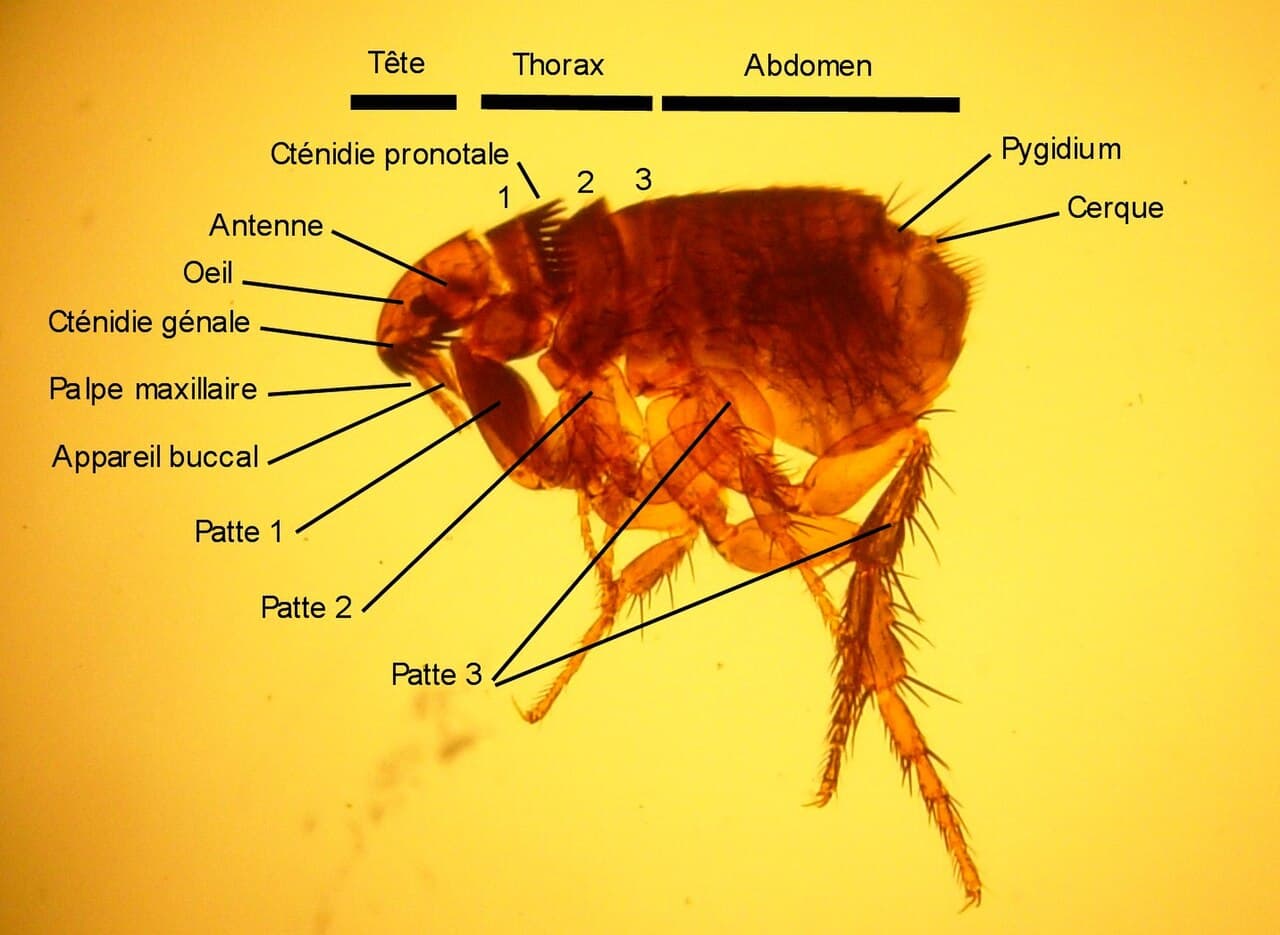
Make sure it is fleas
Fleas are small, 1 to 3 mm (about 1/13 to 1/8 inch) long, wingless, flat-bodied and dark brown.[1] Part your pet's fur at the base of the tail or run a flea comb through it. The droppings, digested blood, show up as dark, pepper-like specks in the fur.[5] On people, a flea bite is usually a small red spot with a red halo around it, often without much swelling.[6] If you are not sure, compare them with what bed bug bites look like.
No pets? Fleas can still turn up, because rodents and wildlife can carry fleas into a home.[1] That changes the plan; see the last section.
Treat every pet first
This is the step that ends the infestation. Ask your veterinarian which product suits each animal, then follow the label to the letter:
- Use a product only on the species and the size or weight its label names, and never put a dog product on a cat, or the reverse, because some pesticides are more toxic to one species than the other.[3]
- Do not use a product on a kitten or puppy unless the label allows it.[3]
- With more than one pet, apply spot-ons or sprays to one animal at a time and keep it apart from the others until the product dries, so they do not groom it off each other.[4]
- Never treat a pet with a product made for carpets or the yard.[5]
The oral tablets and spot-on liquids vets usually suggest kill adult fleas within 24 hours of them jumping on the animal, so they stop laying eggs in the house.[5] As long as every pet stays treated, the fleas still developing in the house emerge, jump on a pet and die.[5] An untreated pet keeps the cycle going.
Clean like you mean it
Daily vacuuming is the best first step for a flea infestation, because it removes eggs, larvae and adults.[2] Cover carpets, cushioned furniture, cracks in floors, baseboards and the basement.[2] Go slowly under furniture, beneath cushions and along room edges, and spend the most time wherever your pet sleeps. Vacuuming also prompts fleas to leave their insecticide-resistant cocoons sooner and lifts the carpet pile so a treatment reaches the base of the fibers.[5] When you finish, seal the bag in a garbage bag and put it in an outdoor trash can.[5]
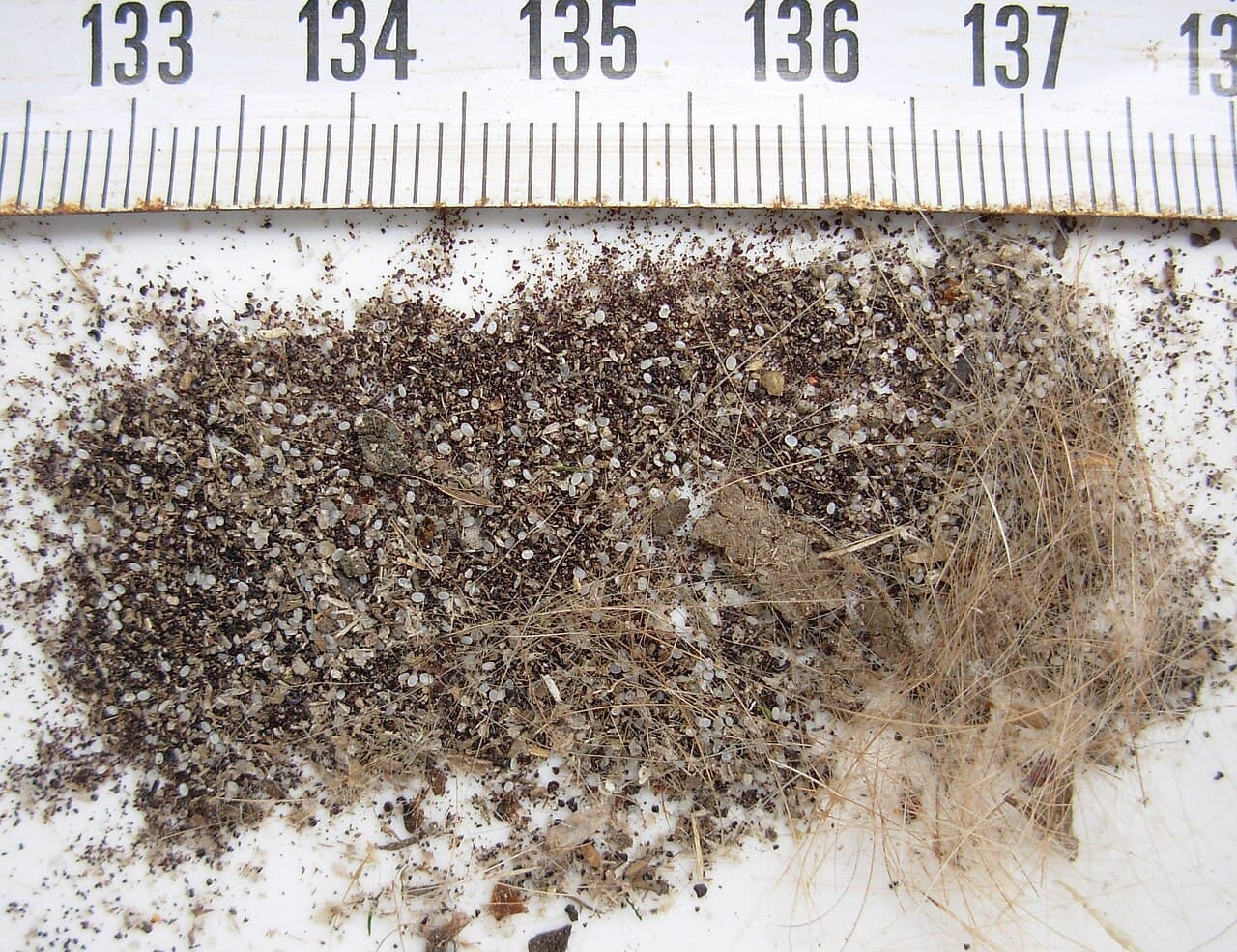
Those eggs and droppings collect where pets rest, so clean those spots hardest:
- The hot steam and soap of a carpet steam cleaner can kill fleas in all stages of the life cycle.[2]
- Wash pet bedding, and any family bedding pets lie on, in hot, soapy water every two to three weeks, and throw out old pet bedding if the infestation is severe.[2]
- Comb pets with a flea comb, especially around the neck and tail where fleas gather, and drop the fleas into hot, soapy water.[2]
Spot-treat where pets rest
Treating the house along with the pets speeds up the end of an infestation, especially a severe one where people and pets are being bitten.[5] Look on the label's active ingredients panel for an insecticide that kills adult fleas, such as permethrin, imidacloprid or dinotefuran, together with an insect growth regulator such as methoprene or pyriproxyfen, which stops eggs and larvae from developing.[5]
Treat carpets, rugs, under and behind beds and furniture, and beneath cushions where pets sleep.[5] Hardwood, tile and concrete floors generally need vacuuming, not spraying.[5] Pick up pet food and water dishes and cover fish tanks and turn off their aerators first, and keep people and pets off treated surfaces until they dry, which can take a few hours.[5] Read and follow every label direction.[1]
Expect a few more weeks of fleas
An insect growth regulator kills larvae but not pupae, so fleas can keep emerging for up to 2 weeks after you spray.[6] Even after a good treatment, expect to see some fleas for a few weeks or longer.[5] The cocoon is impervious to insecticides,[5] which is why the answer is more vacuuming, not more spray. If adult fleas are still showing up after 4 weeks, the house, the pets or both may need treating again.[5] Why fleas hang on after treatment covers the usual reasons.
What to skip
- Bug bombs. Total-release foggers are seldom effective against fleas, partly because the spray goes up into the air and does not reach the hidden places fleas develop, and the ingredients may be flammable near an open flame.[5]
- Home remedies. Most home remedies have not been found to work against fleas in homes.[1]
- Relying on traps. Light-and-glue flea traps catch adults and help you see whether treatment is working, but they will not end an infestation on their own.[5]
Stop and call a pro if
- Fleas keep appearing after four weeks of treating every pet and vacuuming daily.
- You have no pets. When fleas infest a pet-free home, a raccoon or opossum family in the attic or chimney, or a skunk or feral cat under the house, is often the source, and the animals should be removed by a nuisance wildlife or pest control professional.[5] See what animal may be living in your attic.
- A pet reacts to a flea product. If the pet seems wobbly or uncoordinated, vomits, has diarrhea, seems depressed or has a seizure, call your veterinarian right away; for a collar, take it off immediately.[4]
- Someone in the home gets a fever after bites. Fleas spread murine typhus, which causes fever, headache and sometimes a rash, though most U.S. cases are reported in California, Hawaii and Texas.[7] Call a healthcare provider.
- You want the house sprayed for you. Remember that in Virginia no one may apply or recommend a pesticide commercially without a pesticide business license and a certified commercial applicator on staff.[8]
Getting help on Loclis
Whether you need an exterminator or just a treated pet walks through the choice, and what flea treatment costs in Virginia explains what goes into a quote. Browse flea and tick services, find pest control around Blacksburg or read more pest control answers. When you are ready, describe the job on Loclis so licensed pest control businesses can quote it.
Common questions
- How long does it take to get rid of fleas in a house?
- Usually several weeks. Pet treatments kill adult fleas quickly, but fleas sealed in cocoons in the carpet keep emerging for a few weeks or longer. Keep vacuuming daily and keep every pet treated. If adult fleas are still appearing after four weeks, the house, the pets or both may need treating again.
- Do flea bombs work?
- Seldom. A total-release fogger sends its spray up into the air, so little of it reaches the carpet base, cushions and cracks where flea larvae and cocoons are. The ingredients may also be flammable near an open flame. Daily vacuuming and a targeted spray with an insect growth regulator do more.
- Can I get rid of fleas without treating my pet?
- Not for long. Adult fleas live mostly on the animal and lay their eggs there, so an untreated pet keeps reseeding the house with eggs no matter how much you clean. Ask your veterinarian which product suits each animal.
- Why do I have fleas when I don't have pets?
- Rodents and wildlife can bring fleas indoors. A raccoon or opossum in the attic or chimney, or a skunk or feral cat under the house, is a common source. The animal has to be removed by a wildlife or pest control professional before the house is treated.
- Is vacuuming really that important?
- Yes. Daily vacuuming removes eggs, larvae and adults, and it coaxes fleas out of their cocoons sooner so a treatment can reach them. Seal the bag in a garbage bag and put it in an outdoor trash can afterwards.
- Can I use a dog flea product on my cat?
- No. Use a product only on the species and weight its label names. Some pesticides are more toxic to one species than another, and a dog product can make a cat seriously ill.
Sources
- [1] Fleas, National Pesticide Information Center, Oregon State University and U.S. EPA. Checked October 26, 2026.
- [2] Controlling Fleas and Ticks Around Your Home, U.S. Environmental Protection Agency. Checked October 26, 2026.
- [3] Controlling Fleas and Ticks on Your Pet, U.S. Environmental Protection Agency. Checked October 26, 2026.
- [4] Safe Use of Flea and Tick Products in Pets, U.S. Food and Drug Administration. Checked October 26, 2026.
- [5] Flea Control and Prevention (ENTFACT-602), University of Kentucky Department of Entomology. Checked October 26, 2026.
- [6] Pest Notes: Fleas, University of California Statewide IPM Program. Checked October 26, 2026.
- [7] Typhus, Virginia Department of Health. Checked October 26, 2026.
- [8] Code of Virginia § 3.2-3924. Annual business license required, Virginia General Assembly, Legislative Information System. Checked October 26, 2026.
Want a pro to handle it?
Describe the job once. Licensed local businesses send quotes, and you pay only when you book one.
Get a quote from a local pro