How much does it cost to get rid of mice in Virginia?
There is no standard price for mouse control in Virginia. The bill depends on how many mice there are, how many ways into the house need sealing, whether rats are involved, how many follow-up visits it takes and whether cleanup is included. A few snap traps and some steel wool cost little; for anything more, get two or three written quotes and compare what each one covers.
Free to ask. Local shops send quotes, and you pay only when you book one.
By Kasra Taheri, Founder, LoclisPublished
Researched and drafted with AI, then checked claim by claim against the sources listed below before it was published. Prices and rules change; the dates beside each source say when it was last checked.
Step by step
Read when to stop and call a pro, further down this page, before you start.
Step 1: Write down what you are seeing
Note where you find droppings, gnawed packaging and nesting material, and when you hear noise, so every company prices the same problem.
Step 2: Check for signs of rats
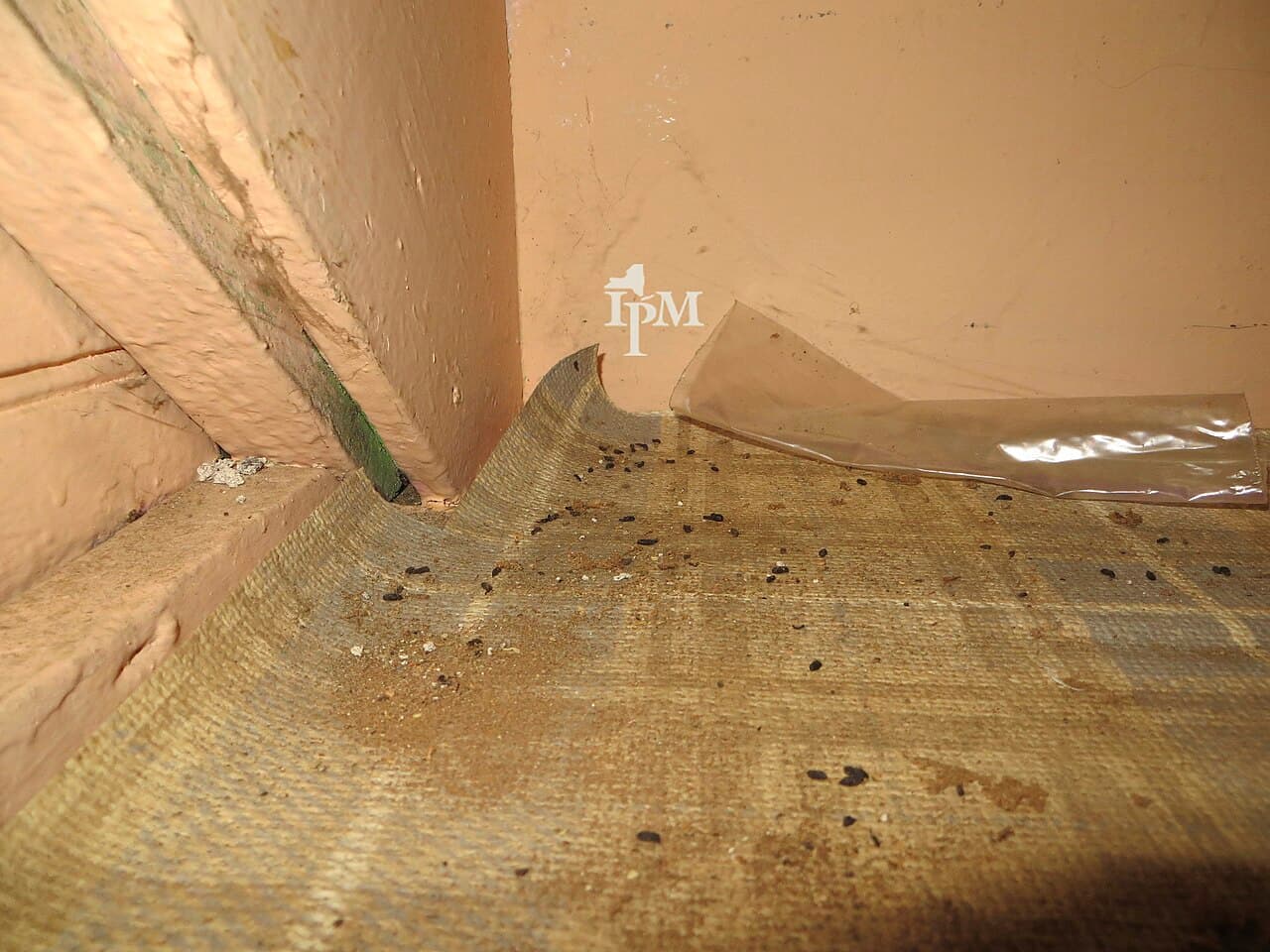
Compare the droppings: house mice leave rod-shaped ones, Norway rats larger capsule-shaped ones.[5]
Step 3: Ask for an inspection
Ask each company to inspect and write down the pests, the extent of the problem and the plan to control them.[7]
Step 4: Get two or three bids
Get bids from two or three companies and compare value, not only the price.[7]
Step 5: Check the licence
Ask for the company's Virginia pesticide business license and confirm it employs a certified applicator.[1]
Step 6: See proof of insurance
Ask to see the company's insurance on paper before work starts.[7]
Step 7: Compare the sealing work
Check which openings each quote seals, with what material, and whether sealing is priced as its own line.
Step 8: Ask about visits and callbacks
Ask how many visits are included, what an extra visit costs and what the company does if mice come back.
Step 9: Ask what will be applied
Ask for the product names and where they will be placed, since licensed firms keep application records for two years.[1]
There is no standard price for getting rid of mice in Virginia. What you pay depends on how big the problem is, what kind of rodent it is, how much sealing the house needs, how many visits the job takes and whether cleanup and repairs are included. Companies weigh those differently, so the most useful thing you can do is describe the problem clearly and make every quote spell out what it covers.
What drives the price
How many mice there are. Although they only live for 1 to 1½ years, mice reproduce quickly, and catching the problem early keeps the damage from getting out of control.[10] A few droppings under the sink is a smaller job than droppings in several rooms. Seeing a mouse in daylight can mean food is scarce or the population is high.[5] Larger populations take more traps, more time per visit and more follow-up visits.
Mice or rats. Rats are harder to control because they avoid new objects, including traps and baits, and they may travel hundreds of feet a day for food or water,[11] which means a bigger area to inspect and treat. Norway rats mainly nest in burrows, while roof rats nest in walls, attics and trees.[5] Check the droppings before you call: house mice leave small rod-shaped ones, Norway rats larger capsule-shaped ones.[5]
How much sealing the house needs. Sealing entry points is often the largest line item, and the one that decides whether the mice come back. Low gaps around pipes and doors are quick to close, but rats and mice also get in through the eaves, the roof, attic vents and where pipes and wires go through walls.[5] Work at the roofline needs ladders and takes longer. The materials that hold up are quarter-inch hardware cloth, 19-gauge or thicker sheet metal, plaster or mortar for larger holes, and caulk or copper wool for small ones.[5] If rodents are killed but food and water are still available, new ones are likely to move in and take their place,[5] which is why a trap-only service can end up costing more over a year.
Trapping or baiting, and how many visits. Certified commercial applicators who work for hire can use pesticides homeowners cannot, including restricted-use products.[6] Second-generation anticoagulant rodenticides such as brodifacoum and bromadiolone are no longer registered for consumer products and are registered only for commercial and structural pest control.[9] Even then, professional products must be kept in tamper-resistant bait stations wherever children under six, pets or nontarget wildlife can reach them.[9] Ask how the company will handle dead mice. Rodents baited indoors often die in hidden, hard-to-reach places, where the body decays, smells and attracts flies.[5]
Cleanup. Removing droppings and soiled nesting material from an attic, crawl space or cabinets is extra work, and some companies quote it separately. Ask whether it is included.
Repairs. Mice chew. Mice chewing on wire insulation can cause electrical shorts and fires.[5] Call a professional if electrical equipment has rodents in it or looks damaged;[12] chewed wiring is a job for a licensed electrician, not the pest control company. Repairs to walls, trim or vents are building work, and Virginia's Class C contractor licence covers single jobs worth over $1,000 but less than $30,000.[3]
What a written quote should include
The EPA's advice is that any company should inspect your home and outline a recommended control program, covering the pests to be controlled, the extent of the problem, the active ingredients, their potential health effects, the form of the pesticide and how it is applied, non-chemical alternatives, how to reduce your exposure, and steps to keep the problem from coming back.[7] Beyond that, look for:
- The licence. Virginia requires a pesticide business license of any person or business that applies or recommends pesticides for pay, and a separate license for each business location.[1] Under Virginia law, no one may apply or recommend a pesticide commercially without that license and a certified commercial applicator on staff.[2] Every pesticide business license expires on March 31 and must be renewed.[1]
- Insurance. A business must show a certificate of insurance of at least $100,000 for property damage, $100,000 for personal injury to or death of one person, and $300,000 per occurrence to get the license.[1] Ask to see it.
- A list of the openings to be sealed, with the material for each and whether sealing is priced separately.
- Visits and callbacks. How many visits, how far apart, what an extra visit costs, and what happens if mice return. The EPA also says to be skeptical of a company that will not stand behind its work, and find out what you have to do to keep your side of the bargain.[7]
- A record of what was applied. Licensed businesses must keep written records of any pesticide applied commercially for two years,[1] so asking for product names on your invoice is reasonable.
Before you sign, get bids from two or three companies and look at value more than price.[7] It also helps to ask neighbors about their experience with the company, and call your state pesticide regulatory agency to ask whether it has had complaints.[7] In Virginia, pesticide business licenses come from the Virginia Department of Agriculture and Consumer Services.[1]
Money you do not need to spend
- Ultrasonic plug-ins. The Federal Trade Commission ruled sound devices sold to repel rodents ineffective at controlling rats and mice.[5]
- Catch-and-release on its own. Mice let go outside can find their way back in unless the entry points are sealed.[8]
- A company for one or two mice. Snap traps, sealed food containers and a little steel wool or hardware cloth often handle a small problem. See how to get rid of mice in your house before you pay for a visit.
If you rent
Talk to your landlord before you hire anyone. Virginia tenants must keep their unit free from insects and pests and promptly tell the landlord about them, and a tenant can be charged the added cost of treatment caused by an unreasonable delay in reporting.[4] Report mice in writing and keep a copy.
Stop and call a pro if
- You find rat-size droppings, burrows along the foundation, or gnawed holes larger than a mouse could make.
- Wiring is chewed or an appliance smells of burning.
- The entry points are at the roofline, the eaves or the attic vents.
- Traps keep catching mice for weeks, or you see mice in daylight.
- The noise is heavy or happens in the daytime, which can mean squirrels or raccoons. Read what wildlife removal costs in Virginia for those jobs.
Getting help on Loclis
Read when to call an exterminator for mice and what general pest control costs in Virginia. Browse rodent control services, find pest control around Blacksburg or see more pest control answers. When you are ready, describe the job on Loclis so local pest control businesses can quote it in writing.
Common questions
- Is there a typical price for mouse control in Virginia?
- No single price applies. Companies weigh the size of the infestation, the number of entry points to seal, the number of visits and any cleanup differently, so the same house can draw quite different quotes. Compare written quotes line by line rather than by the total alone.
- Why do some quotes cost much more than others?
- Usually because of sealing. A quote that only sets traps or bait stations is cheaper up front, but if food and openings remain, new mice move in. A quote that lists every opening and the metal or mortar used to close it costs more and lasts longer.
- Do I need a licensed company?
- Any business that applies or recommends pesticides for pay in Virginia needs a pesticide business license from the Virginia Department of Agriculture and Consumer Services and a certified applicator on staff. Ask to see the license before you agree to bait.
- Is it cheaper to do it myself?
- For a few mice, usually yes: snap traps, sealed food containers and steel wool or hardware cloth cost little. It stops being cheaper when there are rats, chewed wiring, roofline entry points or an infestation that keeps coming back.
- Who pays for mice in a rental?
- Virginia tenants must keep their unit free of pests and report them promptly, and a tenant can be charged for the added cost of treatment caused by an unreasonable delay in reporting. Report mice to your landlord in writing and keep a copy.
- Do repairs after mice cost extra?
- Often. Chewed wiring needs an electrician, and repairs to walls, vents or trim are building work. In Virginia, a Class C contractor licence covers single jobs over $1,000 but less than $30,000, so check the licence on any larger repair.
Sources
- [1] Pesticide Business License, Virginia Department of Agriculture and Consumer Services. Checked October 27, 2026.
- [2] Code of Virginia § 3.2-3924. Annual business license required, Virginia General Assembly, Legislative Information System. Checked October 27, 2026.
- [3] Code of Virginia § 54.1-1100. Definitions, Virginia General Assembly, Legislative Information System. Checked October 27, 2026.
- [4] Code of Virginia § 55.1-1227. Maintenance of dwelling unit by tenant, Virginia General Assembly, Legislative Information System. Checked October 27, 2026.
- [5] Schools Integrated Pest Management (IPM) for Rats and Mice, Department of Entomology, Virginia Tech. Checked October 27, 2026.
- [6] Home Grounds and Animals 2026: Other Animals, Conflicts with Vertebrates (ENTO-634), Virginia Cooperative Extension, Virginia Tech. Checked October 27, 2026.
- [7] Citizen's Guide to Pest Control and Pesticide Safety, U.S. Environmental Protection Agency. Checked October 27, 2026.
- [8] Options for Dealing With Rodent Infestations, U.S. Environmental Protection Agency. Checked October 27, 2026.
- [9] Restrictions on Rodenticide Products, U.S. Environmental Protection Agency. Checked October 27, 2026.
- [10] Mice, National Pesticide Information Center, Oregon State University and U.S. EPA. Checked October 27, 2026.
- [11] Rats, National Pesticide Information Center, Oregon State University and U.S. EPA. Checked October 27, 2026.
- [12] Rodents, National Pesticide Information Center, Oregon State University and U.S. EPA. Checked October 27, 2026.
Want a pro to handle it?
Describe the job once. Licensed local businesses send quotes, and you pay only when you book one.
Get a quote from a local pro