How much does transmission repair cost in Virginia?
There is no single Virginia price, and no official source publishes a dated one, so treat any flat figure with caution. The cost depends on whether the fix is a leak or sensor, a rebuild or a replacement unit, plus the vehicle and the warranty. In Virginia you can request a written estimate, and the shop cannot charge more than 10 percent above it without your approval.
Free to ask. Local shops send quotes, and you pay only when you book one.
By Kasra Taheri, Founder, LoclisPublished
Researched and drafted with AI, then checked claim by claim against the sources listed below before it was published. Prices and rules change; the dates beside each source say when it was last checked.
This is a job for a licensed pro in Virginia
This page explains what the work involves, the permits, what a licensed pro does and what drives the cost. It does not give step-by-step instructions, because this work needs a licence, a permit or both, and doing it wrong can injure someone. Before you hire, check the licence on Virginia's DPOR record.
A transmission repair in Virginia can cost anything from a small fix to a full replacement, and we found no dated, primary-source Virginia price list for it, so this guide does not quote a dollar figure. What it can do is show you what moves the price and what Virginia law entitles you to before and after the work, so you can compare shops on the same terms.
What "transmission repair" can mean
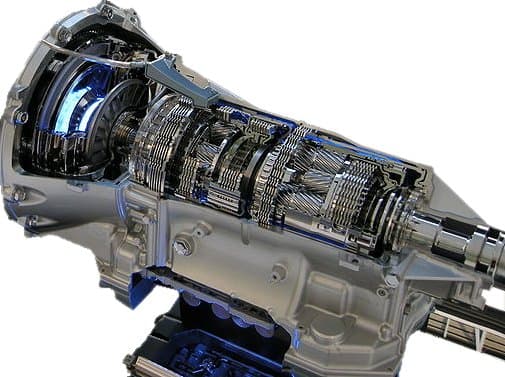
Shops use the phrase for jobs that differ enormously in size. A quote might cover:
- Fluid and filter service. Draining or flushing the fluid and replacing the filter, sometimes the first thing tried for a shifting complaint.
- External parts. Leaking seals or gaskets, a pan, a cooler line, a speed sensor or a shift solenoid, many of which can be replaced without opening the unit.
- Valve body or control repair. Work on the part that directs fluid to shift gears, and on the software that controls it.
- Rebuild. The unit is removed, taken apart, inspected and reassembled with new wear parts.
- Replacement. A remanufactured, used or new unit is installed in place of yours.
Two quotes labelled "transmission repair" may be pricing different jobs, so ask each shop to write down which one it means. Diagnosis comes first: a shifting problem can come from fluid level, a sensor, wiring or the engine computer, and fixing the wrong thing is expensive. Describe the symptoms, when they happen and any warning lights, and note them down.
What drives the cost
How far the damage goes. A leak or a failed solenoid is a small job. Burnt clutches, worn gears and metal in the fluid usually mean a rebuild or replacement, which is the biggest line on the bill.
Rebuild or replace. A rebuild depends on the labor of a technician who opens the case and on the parts found worn. A replacement unit's price depends on whether it is new, remanufactured or used, and on who stands behind it. Ask for the warranty terms of each in writing.
Vehicle and transmission type. Front-wheel-drive cars, all-wheel-drive vehicles, trucks, continuously variable (CVT) units and dual-clutch units differ in how hard they are to remove and how many specialists work on them. Rarer units cost more and take longer.
Labor to remove and refit. Taking a transmission out and putting it back is many hours of work on most vehicles, and related parts such as a torque converter, mounts or a cooler flush are often added.
Fluid and programming. Many modern units need a specific fluid, and some need the control module relearned or reprogrammed after the work. Ask what fluid will be used and whether programming is included.
Parts and core charges. A remanufactured unit often involves handing your old one back as a core. Virginia has a rule about this, covered below.
Your rights under Virginia law
Virginia's Automobile Repair Facilities Act applies to any person who for profit diagnoses or corrects malfunctions of, or damage to, a motor vehicle.[1] That covers transmission shops, general repair shops and dealers alike.
Written estimate. On request, before any repair work for which you may be charged more than $25, the shop must give you a written statement of the estimated labor, the estimated parts, a description of the problem or work and the estimated completion time.[2] If you ask for one, no repair work on the vehicle may be started, other than the diagnostic work needed to prepare the estimate, until you have been given the written estimate and have authorized the work, in writing or orally.[2]
A cap on the final bill. Under the same law, the shop cannot charge more than 10 percent over the written estimate, or 20 percent for a vehicle at least 25 model years old, unless you authorize the extra work or time.[2] This matters on a transmission, where a shop that opens the case often finds more. Ask the shop to call you before it goes past the estimate, and decide then whether to continue.
Diagnostic fees. A shop may charge a reasonable fee for the estimate and related diagnostic work, but must disclose the condition when you ask, in writing or on a sign posted at the entrance.[2] Ask about the fee before you hand over the keys, and whether it is credited toward the repair if you proceed.
Your old parts. Under the Act the shop must offer, at the time you authorize the repair, to return the parts it removes and replaces.[3] A part that must go back to a manufacturer or distributor under a warranty, trade-in or core charge agreement need not be returned to you, although you keep the right to inspect it, and if you want a part subject to a core charge returned you agree to pay the shop the additional core charge or trade-in fee.[3] If you want the old parts back, say so when you authorize the work.
The invoice. When the work is done, you must get a written invoice that shows the work performed and the charges for parts and labor, separately stated, and identifies warranty parts and any used, rebuilt or reconditioned parts, except for work done on an advertised single price basis.[4] The parts clause tells you whether you paid for a new, remanufactured or used unit.
If something goes wrong. Any violation of the Act is a prohibited practice under the Virginia Consumer Protection Act and is subject to its enforcement provisions.[5]
Getting a quote you can compare
Ask each shop for the same things in writing:
- what the diagnosis found and how it was done
- whether the quote is for repair, rebuild or replacement, and which parts are new, rebuilt or used
- the labor, the parts and the fluid, each on its own line
- the warranty on parts and on labor, how long it lasts and who honors it
- whether it covers a repeat failure, and what voids it
- the estimated completion time
If one quote is far below the others, find out what it leaves out. If the quotes are all high, a second opinion on the diagnosis is cheap compared with the repair. Stay in touch while the work is under way, so a surprise does not turn into a bill you never agreed to. For other repairs priced the same way, see how much a brake job costs in Virginia and how much suspension repair costs.
When to call a licensed pro
For the repair itself. A transmission is heavy, sits under the car and has to be supported and removed safely, and the repair depends on diagnosing what failed, so this is work for a trained shop, not a driveway. Take the car to a shop that gives you the written estimate described above, and keep the invoice, which Virginia law requires the shop to give you.[4]
Loclis lists Virginia businesses by trade and area. Browse automotive repair services or read more automotive repair answers.
To get prices for your own car, describe the job once.
Common questions
- Why can't this page give a dollar figure?
- Because no Virginia government source publishes a dated price for transmission work, and the cost swings with the vehicle, the fault and the shop. A flat number would be a guess. Compare itemized written estimates for the same scope instead.
- Is a rebuild cheaper than a replacement?
- Not always. It depends on the vehicle, how much is worn and the warranty on each. Ask both for the labor, parts, fluid and warranty terms in writing, and ask how a replacement unit is described: new, remanufactured or used.
- Can a shop charge more than its estimate?
- Not by much. If you requested a written estimate, Virginia law bars a charge more than 10 percent above it, or 20 percent for a vehicle at least 25 model years old, unless you authorize the additional work or time.
- Do I have to pay for a diagnosis?
- Possibly. A shop may charge a reasonable fee for the written estimate and related diagnostic work, but it must disclose that condition when you ask, in writing or on a sign at the entrance. Ask about the fee first.
- Can I get my old transmission back?
- Usually you can ask. The shop must offer to return replaced parts when you authorize the repair, except parts it must send back under a warranty, trade-in or core charge agreement, which you still have the right to inspect. If a core charge applies, you pay it to get the part.
Sources
- [1] Va. Code § 59.1-207.2, Definitions, Code of Virginia, Virginia General Assembly. Checked October 27, 2026.
- [2] Va. Code § 59.1-207.3, Written estimate for repair work required upon request, Code of Virginia, Virginia General Assembly. Checked October 27, 2026.
- [3] Va. Code § 59.1-207.4, Offer to return replaced parts required; customer's right to inspect parts, Code of Virginia, Virginia General Assembly. Checked October 27, 2026.
- [4] Va. Code § 59.1-207.5, Written invoice required upon completion of repair work, Code of Virginia, Virginia General Assembly. Checked October 27, 2026.
- [5] Va. Code § 59.1-207.6, Enforcement; penalties, Code of Virginia, Virginia General Assembly. Checked October 27, 2026.
Want a pro to handle it?
Describe the job once. Licensed local businesses send quotes, and you pay only when you book one.
Get a quote for Automotive