How do I protect walls from scuffs and dents?
Stop the hits at the source with door stops, felt pads, corner guards and furniture kept a little off the wall. In halls and stairs, use a washable eggshell, satin or scuff-resistant paint rather than flat. Let new paint cure about two weeks before scrubbing, clean marks gently with warm water and mild soap, and fix small dings early.
Free to ask. Local shops send quotes, and you pay only when you book one.
By Kasra Taheri, Founder, LoclisPublished
Researched and drafted with AI, then checked claim by claim against the sources listed below before it was published. Prices and rules change; the dates beside each source say when it was last checked.
Step by step
Read when to stop and call a pro, further down this page, before you start.
Step 1: Find the trouble spots
Walk the house and note where door handles, chairs, beds, bags and furniture rub or hit the walls.[1]
Step 2: Add door stops
Fit a baseboard or hinge-pin door stop behind every door whose knob or handle reaches the wall.
Step 3: Pad and pull back furniture
Put felt or rubber bumpers on chair backs, headboards and sofa frames, and set them an inch or two off the wall.
Step 4: Guard outside corners
Fit clear or paintable corner guards on outside corners in halls, stairways and around doorways where carts, bags and toys hit.
Step 5: Choose a tougher sheen for busy rooms
Paint halls, stairs and family rooms in eggshell, satin, pearl or semi-gloss rather than flat.[1]
Step 6: Use a washable quality paint
Pick a quality acrylic or latex paint sold as washable or scuff-resistant for high-traffic walls.[1]
Step 7: Let new paint cure
Wait at least two weeks after painting before washing or scrubbing the wall.[3]
Step 8: Clean gently
Dust first, then rub marks with a non-abrasive sponge and warm water, adding mild dish detergent only if water alone does not work.[3]
Step 10: Label your touch-up paint
Keep the leftover paint, labeled with the room and wall, and use the same roller or brush for touch-ups.[4]
Step 11: Fix dings early
Fill small dents and nail pops while they are small, then prime and paint, before they crack or spread.
Walls get scuffed and dented in the same few places in every house: behind doors, along hallways and stairs, at outside corners, and wherever a chair, bed or sofa meets the wall. Protecting them is mostly about stopping those hits at the source, choosing paint that can be cleaned, and cleaning it gently. A few small habits keep a paint job looking fresh for years instead of months.
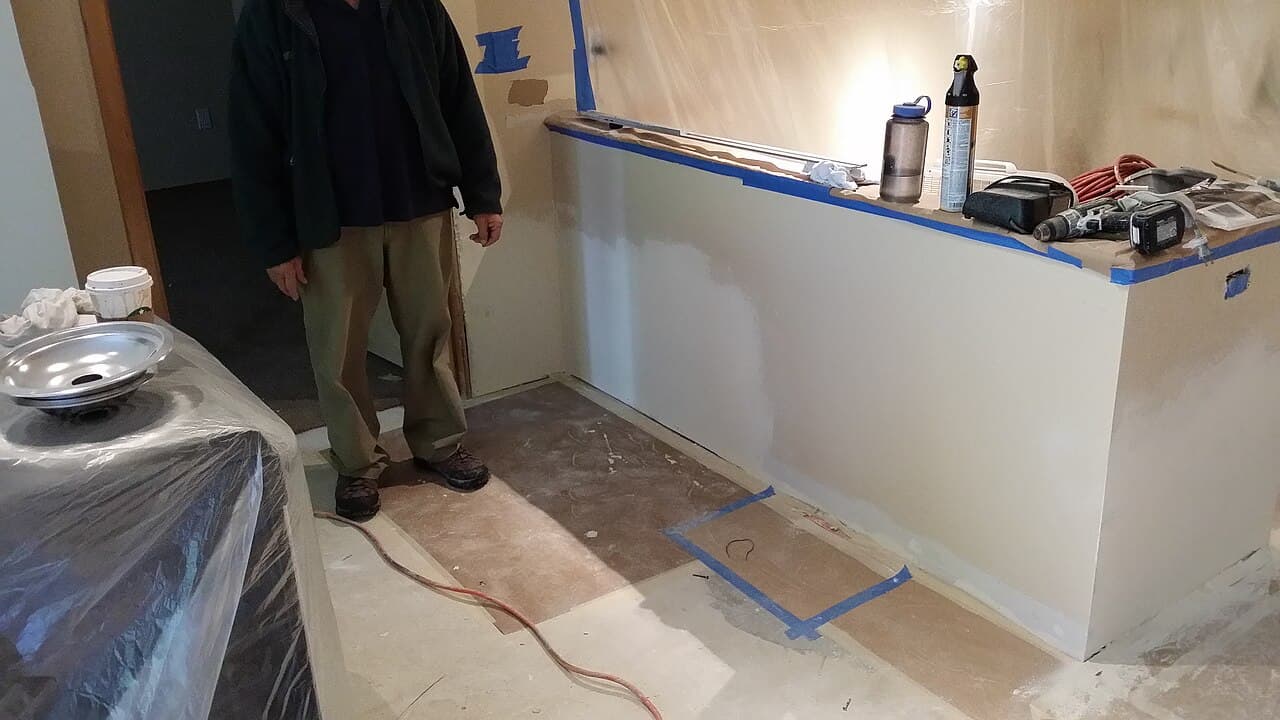
Stop the hits at the source
Doors. A door handle swinging into drywall is the classic dent and, eventually, the classic hole. A baseboard stop or a hinge-pin stop costs little and fixes it for good. If the wall already has a hole there, DAP describes its Eclipse self-adhesive wall patch as stronger than drywall itself and suited to areas that see repeated impact, such as behind a door,[7] but a stop is still the real fix.
Furniture. Chair backs, headboards and sofa frames rub the same spot every day. Benjamin Moore lists objects rubbing against the paint, such as furniture against walls, as one cause of burnishing.[1] Felt or rubber bumpers and an inch or two of space solve most of it. A chair rail in a dining room does the same job and looks deliberate.
Corners and traffic paths. Outside corners in hallways and stairways catch vacuum cleaners, laundry baskets and moving boxes. Clear or paintable corner guards protect the corner bead underneath. In a mudroom or a kids' playroom, beadboard or wainscoting on the lower part of the wall takes abuse that drywall will not.
Pick paint that stands up to traffic
Burnishing is a shiny or dull patch where repeated rubbing or washing has changed the paint's sheen, and it is typically seen in high-traffic areas that need frequent cleaning, such as family rooms, hallways, stairs and doors.[1] Flat paint is the most prone. Benjamin Moore warns that stains are harder to remove from low-sheen paint and that constant rubbing or cleaning can burnish it,[2] and recommends painting high-traffic areas in a higher sheen: eggshell, satin, pearl or semi-gloss.[1]
There is a trade-off. Benjamin Moore describes eggshell as suited to most areas of a home, including family rooms and hallways,[2] but also notes that a gloss finish reflects light and can accentuate blemishes.[2] Glossier paint is easier to clean but shows dents and patches more. For most halls and family rooms, eggshell or satin is the practical middle. Some paint makers also sell scuff-resistant formulas: Benjamin Moore, for example, says its Scuff-X line, sold for high-traffic commercial spaces, comes in matte, eggshell, satin and semi-gloss.[5] Buy a quality paint labeled washable for any wall that gets touched a lot.
Clean without wearing the paint away
New paint is soft for a while. Benjamin Moore's advice is to wait at least two weeks for newly painted walls to cure before dusting or cleaning them,[3] although a spill on fresh paint can be cleaned after four to six hours.[3]
After that, go gently. Dust the wall first with a vacuum brush, then try a non-abrasive sponge and warm water before anything stronger, and add mild dish detergent only if needed. Benjamin Moore is direct about one mistake: "Never use glass cleaner or a heavy-duty household spray cleaner on a painted wall."[3] It also suggests you wash from the bottom of the wall up, so drips do not run down and leave streaks,[3] and notes that lower sheens like flat, matte and eggshell need a gentler touch than satin or semi-gloss.[3]
Keep touch-up paint ready
Leftover paint turns a scuff into a two-minute fix. Benjamin Moore suggests you label the paint can or the back of a light switch plate in the room with where the paint was used.[4] Store cans indoors where they will not freeze, and use the same type of roller or brush the wall was painted with, so the touch-up matches the texture as well as the color.
Fix small damage before it grows
A dent or nail hole is easiest to fix while it is small. See how to patch a small hole in drywall for the method, and why a drywall patch shows through paint if your last repair still shows.
Nail pops, the small round bumps where a drywall nail has worked loose, come back if you only fill them. Benjamin Moore's fix is to counter-sink the popped nail and drive drywall screws into the stud on each side of it,[6] then fill the holes. Keep the screws right beside the old nail, which sits over the stud, and away from outlets and switches.
If you are rebuilding a wall that takes real punishment, such as a mudroom or the wall beside a garage entry, ask about tougher board. USG makes abuse-resistant gypsum panels for corridors, schools and similar hard-wearing spaces, and says the 5/8-inch panels must be used to achieve their abuse-resistance ratings.[8]
Older homes
In a house built before 1978, scuffing has a health side. The EPA warns that old or worn lead-based paint on surfaces subject to constant friction, like doors and window sills, can produce chips and dust that become a hazard.[9] It advises cleaning with damp cloths and not to use steel wool, scouring pads or abrasive cleaners on painted surfaces in older homes.[9]
Stop and call a pro if
- Paint is peeling or chipping in a house built before 1978. If you hire it out, anyone paid to do work that disturbs painted surfaces in a pre-1978 home must be certified in lead-safe work practices.[10]
- Nail pops and cracks keep multiplying across a wall or ceiling, or doors start sticking at the same time, which points to movement in the house.
- The drywall is soft, stained or damp anywhere, which means water is getting in.
- You cannot find the stud for a nail pop, or you suspect wiring or pipes behind the spot you would drive a screw.
- The damaged wall is part of a fire-rated assembly, which you can confirm with your building department. Virginia's building code requires a permit for the repair or replacement of any required component of a fire or smoke rated assembly.[11]
More help
Read why small repairs keep coming back and what drywall repair costs in Virginia, browse drywall and paint services or interior painting, find handyman businesses around Blacksburg, or read the other handyman answers.
When the walls need more than a touch-up, describe the drywall repair once and local businesses quote it.
Common questions
- What paint finish is hardest to scuff?
- Higher sheens wash more easily and resist burnishing better than flat paint, which is why Benjamin Moore recommends eggshell, satin, pearl or semi-gloss for high-traffic areas. The trade-off is that glossier paint shows dents and patches more. Eggshell or satin is a common middle ground for halls and family rooms.
- How soon can I wash a freshly painted wall?
- Benjamin Moore suggests waiting at least two weeks for new paint to cure before dusting or cleaning it. If something spills sooner, it says you can carefully clean a newly painted wall after four to six hours. Check the label of the paint you used, since cure times vary.
- Why are there shiny spots on my flat-painted hallway?
- That is burnishing: repeated rubbing or scrubbing polishes flat paint and changes its sheen. It shows up in hallways, stairs and around doors. Clean those spots more gently with a soft sponge and mild soap, and consider repainting high-traffic walls in eggshell or satin.
- What is the best way to stop doorknob dents?
- A door stop on the baseboard or the hinge pin keeps the handle from reaching the wall. If there is already a hole, some self-adhesive patches are made for that spot; DAP says its 6-inch Eclipse patch is designed to withstand doorknob impact.
- Can I scrub a scuff off with an abrasive cleanser?
- It is better not to. Benjamin Moore lists frequent spot-cleaning with an abrasive cleanser as a cause of burnishing, the shiny or dull patches that rubbing leaves on paint. Try warm water and a soft sponge first, then mild dish soap, and test anything stronger on a hidden spot.
Sources
- [1] Paint Burnishing: Causes and Solutions, Benjamin Moore. Checked October 27, 2026.
- [2] Choosing an Interior Paint Finish: Sheen and Gloss 101, Benjamin Moore. Checked October 27, 2026.
- [3] How to Clean Walls Without Damaging Paint, Benjamin Moore. Checked October 27, 2026.
- [4] How to Touch Up Paint, Benjamin Moore. Checked October 27, 2026.
- [5] Scuff-X Interior Latex Paint, Benjamin Moore. Checked October 27, 2026.
- [6] How to Fix Cracks and Holes in Walls, Benjamin Moore. Checked October 27, 2026.
- [7] Eclipse Rapid Wall Repair Patch Technical Data Sheet, DAP Products. Checked October 27, 2026.
- [8] Abuse Resistance Performance, USG. Checked October 27, 2026.
- [9] Protect Your Family from Sources of Lead, U.S. Environmental Protection Agency. Checked October 27, 2026.
- [10] Lead Renovation, Repair and Painting Program, U.S. Environmental Protection Agency. Checked October 27, 2026.
- [11] 13VAC5-63-80, Section 108 Application for permit (Virginia Uniform Statewide Building Code), Virginia Administrative Code, Virginia General Assembly. Checked October 27, 2026.
Want a pro to handle it?
Describe the job once. Licensed local businesses send quotes, and you pay only when you book one.
Get a quote from a local pro