What happens when a septic tank is pumped?
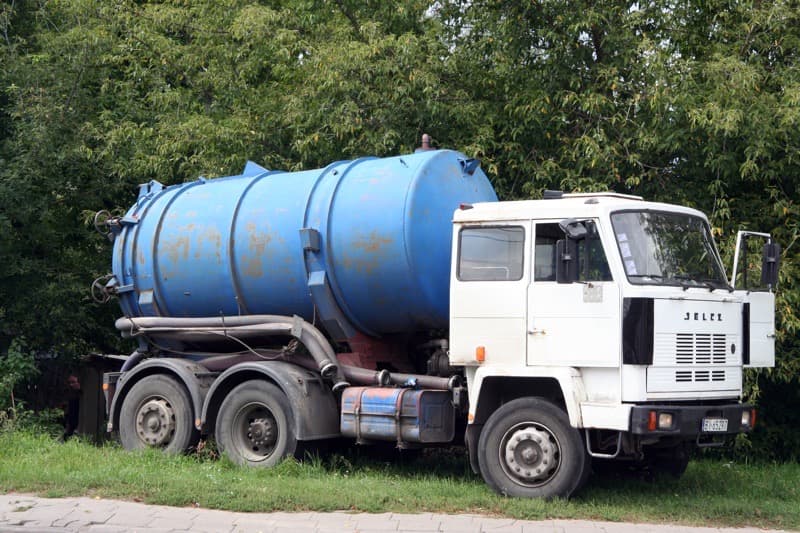
A permitted pumper finds and opens the tank, then uses a vacuum truck to take out the floating scum and the sludge that has settled on the bottom. Only the tank is pumped, not the drainfield. While the lid is off, a good pumper checks for leaks, worn baffles and roots, records the sludge and scum levels, and hauls the septage to an approved disposal site.
Free to ask. Local shops send quotes, and you pay only when you book one.
By Kasra Taheri, Founder, LoclisPublished
Researched and drafted with AI, then checked claim by claim against the sources listed below before it was published. Prices and rules change; the dates beside each source say when it was last checked.
This is a job for a licensed pro in Virginia
This page explains what the work involves, the permits, what a licensed pro does and what drives the cost. It does not give step-by-step instructions, because this work needs a licence, a permit or both, and doing it wrong can injure someone. Before you hire, check the licence on Virginia's DPOR record.
The short version
Pumping a septic tank is a short, messy, routine job for a permitted septic service. The crew finds the tank, opens the access lid, and uses a vacuum truck to pull out the sludge from the bottom and the scum from the top. A good pumper also looks inside while the tank is open, notes what it found, and hauls the waste to a site the state allows.
It is not a job to do yourself. Pumping and hauling are regulated work in Virginia, the gases inside a tank can kill, and the waste has to be hauled and disposed of under state rules. This page explains what to expect so you can get the visit right.
Why tanks need pumping at all
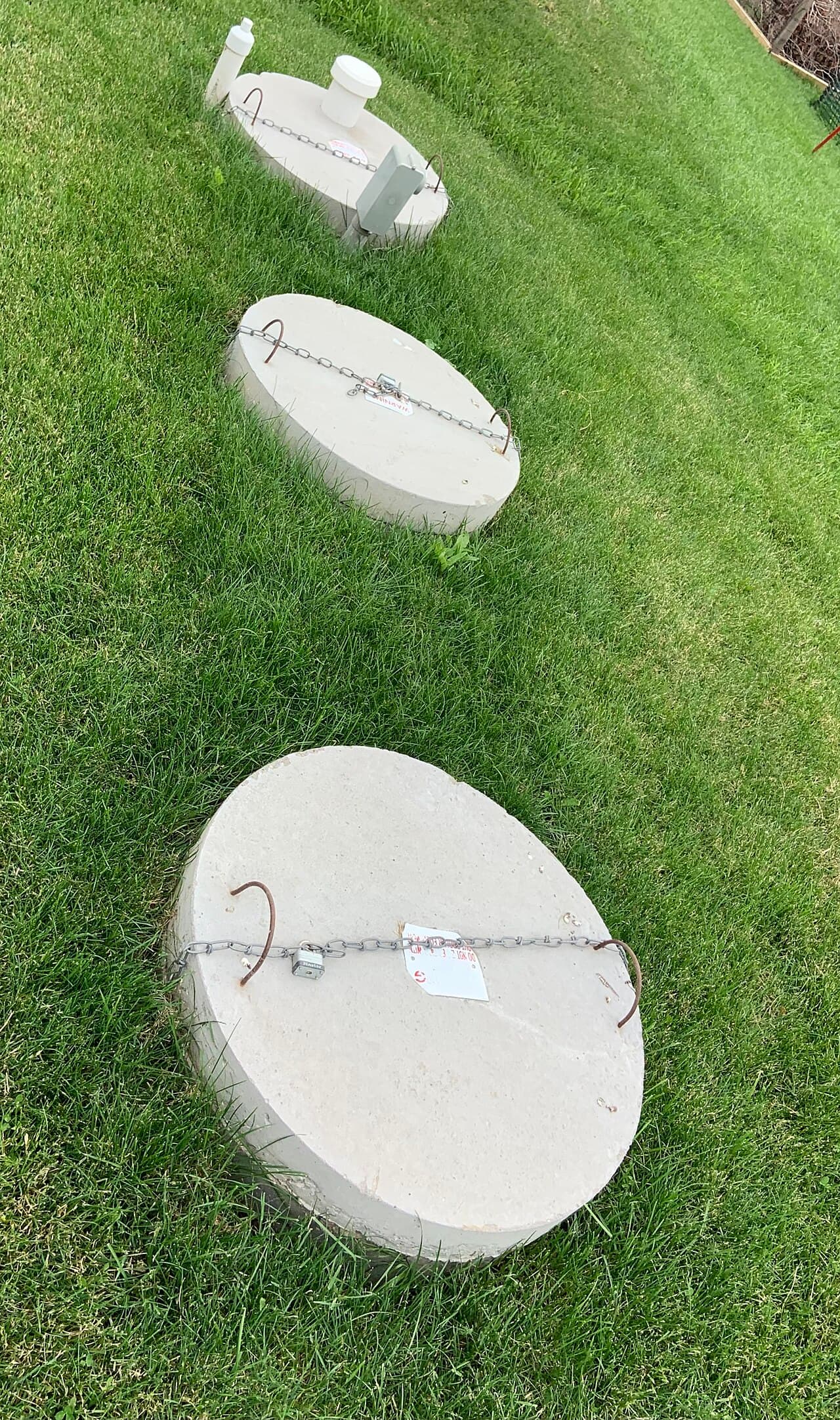
Inside the tank, wastewater separates into three layers: a floating scum of fats, oil and grease, a middle layer of liquid effluent, and sludge made of heavier solids on the bottom.[1] Bacteria in the tank break down roughly half of the solids, and the greasy scum is especially hard for them to digest, so solids build up over time and eventually have to be pumped out.[1]
A T-shaped outlet and the tank's compartments keep sludge and scum from leaving the tank and traveling into the drainfield.[3] Once those layers grow thick enough, solids start slipping past the outlet. Pumping is what keeps them in the tank and out of the soil. Our guide on how often a septic tank should be pumped covers the timing.
Before the truck arrives
Most of the delay on pumping day is finding the tank. Some septic services charge extra to locate and uncover the tank.[1] If you do not know where yours is, the local health department may be able to find it from the construction permit, which should contain a map of the system.[1]
A few things make the visit faster:
- Access. The contractor needs to reach the tank with the truck, so clear a path for it, and tell the pumper whether your system is conventional or alternative.[1] Move cars, trailers and anything else between the driveway and the tank.
- Marking. If you know where the lid is, flag it. Keep heavy vehicles off the yard over the tank and drainfield.
- Records. Have the last service report on hand so the crew can compare sludge levels.
- Weather. Ask about rescheduling if a big storm is coming. Virginia Cooperative Extension advises homeowners to avoid having the tank pumped right before a likely flood, because an empty tank can float.[10]
What comes out of the tank
The goal is to remove the solids: the heavy sludge from the bottom and the fats, oils and grease from the top.[1] The crew runs a suction hose from the truck into the tank and pumps the contents into the truck.
It is common for a small amount of solids to be left in the bottom of the tank, which lets the bacteria needed for the next load build back up faster.[1] Only the septic tank itself is pumped; the drainlines and distribution box are not.[1]
Some systems have a separate pump chamber that pushes effluent to the drainfield. If the tank has gone too long between pumpings, solids can move into the pump chamber and out into the trenches. Pump chambers commonly need pumping less often than the tank.[1] Ask whether yours needs it on this visit.
What a good pumper checks while the lid is off
Pumping day is the best chance to see inside the tank, so use it. A septic service provider will inspect for leaks and examine the scum and sludge layers in your septic tank.[2][4] As a rule of thumb from EPA, the tank should be pumped if the bottom of the scum layer is within six inches of the bottom of the outlet, if the top of the sludge layer is within 12 inches of the outlet, or if more than 25 percent of the liquid depth is sludge and scum.[2] Those numbers, written down each visit, tell you whether your schedule is right.
Contractors commonly examine the tank for problems such as broken baffles and roots during pumping, but it is best to ask them to do so.[1] A worn outlet baffle or roots in the tank are repairs, not part of a routine pump-out, and they should be quoted separately in writing.
How long the visit takes depends on how quickly and easily the crew can reach the tank, the size of the tank, and surprises such as broken baffles or roots in the system.[1]
Where the waste goes
What the truck carries away has a legal name. Virginia's sewage regulations define septage as the mat of grease and scum on the surface of the tank, the accumulated sludge at the bottom and the sewage present at the time of pumping.[5]
Anyone who removes and hauls the contents of a septic tank by vehicle is a sewage handler, and a sewage handler must have a written sewage handling permit issued by the State Health Commissioner.[5][6] Disposal of septage into bodies of water or streams is prohibited.[6] The preferred methods are disposal at an approved sewage treatment plant, or stabilization followed by land application or landfilling.[7] Asking a pumper where its loads go is a fair question.
After the pump-out
The tank refills with ordinary household wastewater as soon as you use the house again. When the liquid in the tank rises to the level of the outflow pipe, effluent flows on to the drainfield again.[1] A full-looking tank a week later is normal.
Keep the paperwork. The service provider should note the maintenance completed and the tank condition in your system's service report,[4] and EPA suggests you write down the sludge and scum levels the professional found.[2] That record is what a home buyer's inspector, and your next pumper, will ask for.
If your lids sit at ground level, VDH suggests considering retrofitting at-grade or above-grade access ports with a tamper-proof, child-resistant lid that has a removable grate inside.[4]
Safety around an open tank
Never enter a septic tank. Toxic gases build up inside and can quickly overcome anyone who comes into contact with them, and open flames or smoking near the opening are a fire risk because the gases are flammable.[1] Keep children and pets well back while the lid is off, and do not lean over the opening to look.
When to call a licensed pro
Call a septic service when your schedule or the last report says the tank is due, when you buy a house with no pumping records, or when drains slow down or sewage smells appear over the tank or drainfield. If sewage is backing up indoors, read why a septic system backs up into the house and call the same day.
Check credentials before you book. Virginia's licensing rules for onsite sewage professionals count pumping the tanks on a periodic basis as maintenance,[8] and no individual may operate or maintain a conventional or alternative onsite sewage system without a valid onsite sewage system operator license.[9] Ask for the operator licence number, which you can look up with DPOR, and the company's VDH sewage handling permit. For the bigger picture, see what a septic inspection includes, browse excavation and septic answers, or find excavation and septic businesses near Blacksburg.
Ready to book a pump-out? Describe the job once and get quotes from licensed septic businesses.
Common questions
- Does pumping the septic tank clean out the drainfield too?
- No. Only the tank is pumped. The drainlines and distribution box are left alone. Pumping protects the drainfield by taking out solids before they can wash into it, but it does not fix a drainfield that is already clogged.
- Why is my tank full of water again right after it was pumped?
- That is normal. A working tank fills back up with household wastewater, and effluent starts flowing to the drainfield again once the liquid reaches the outlet pipe. What pumping removes is the built-up sludge and scum, not the working liquid level.
- Should the pumper leave some sludge in the tank?
- A small amount left in the bottom is common, and it helps the bacteria that break down solids build back up faster. Most of the sludge and the floating scum should come out.
- Do I need to be home when the tank is pumped?
- Not always, but it helps the first time. You can show the crew where the tank is, tell them whether the system is conventional or alternative, and ask them to check the baffles and note the sludge and scum levels in the service report.
- Can I open the lid before the truck arrives to save time?
- It is safer not to. Toxic and flammable gases build up in septic tanks, so mark where you think the tank is, leave opening it to the pumper, and keep children and pets away while the lid is off.
Sources
- [1] What to Expect When Getting Your Septic Tank Pumped (SPES-574NP), Virginia Cooperative Extension, Virginia Tech. Checked October 27, 2026.
- [2] How to Care for Your Septic System, U.S. Environmental Protection Agency. Checked October 27, 2026.
- [3] How Your Septic System Works, U.S. Environmental Protection Agency. Checked October 27, 2026.
- [4] Onsite Sewage System Owner Responsibilities, Virginia Department of Health. Checked October 27, 2026.
- [5] 12VAC5-610-120, Sewage Handling and Disposal Regulations: Definitions, Virginia Administrative Code, Legislative Information System. Checked October 27, 2026.
- [6] 12VAC5-610-560, Sewage Handling and Disposal Regulations: Sewage handling; general, Virginia Administrative Code, Legislative Information System. Checked October 27, 2026.
- [7] 12VAC5-610-580, Sewage Handling and Disposal Regulations: Septage management; general, Virginia Administrative Code, Legislative Information System. Checked October 27, 2026.
- [8] 18VAC160-40-10, Onsite Sewage System Professionals Licensing Regulations: Definitions, Virginia Administrative Code, Legislative Information System. Checked October 27, 2026.
- [9] 18VAC160-40-170, Onsite Sewage System Professionals Licensing Regulations: License required, Virginia Administrative Code, Legislative Information System. Checked October 27, 2026.
- [10] Safeguarding Your Well and Septic System Against Flooding Hazards (BSE-369), Virginia Cooperative Extension, Virginia Tech. Checked October 27, 2026.
Want a pro to handle it?
Describe the job once. Licensed local businesses send quotes, and you pay only when you book one.
Get a quote from a local pro