What should I check on my furnace before winter?
Before the first cold night, check the filter, set the thermostat to Heat and make sure the furnace runs and warms the house, test your carbon monoxide alarms, clear flammables away from the furnace, and look at the outside vent pipes and your fuel level. Then book a licensed HVAC technician for the fall check-up of the burners, gas connections, heat exchanger and controls.
Free to ask. Local shops send quotes, and you pay only when you book one.
By Kasra Taheri, Founder, LoclisPublished
Researched and drafted with AI, then checked claim by claim against the sources listed below before it was published. Prices and rules change; the dates beside each source say when it was last checked.
This is a job for a licensed pro in Virginia
This page explains what the work involves, the permits, what a licensed pro does and what drives the cost. It does not give step-by-step instructions, because this work needs a licence, a permit or both, and doing it wrong can injure someone. Before you hire, check the licence on Virginia's DPOR record.
Before the first cold night, do five quick checks yourself: the filter, a test run of the heat, your carbon monoxide alarms, the space around the furnace, and the vent pipes and fuel supply outside. Then book a licensed HVAC technician for the yearly check-up, which covers the parts you should not open: burners, gas connections, the heat exchanger and the controls. Doing both in the fall, before contractors get busy for the winter, helps you find a problem while there is still time to fix it.
Timing matters more than people expect. ENERGY STAR: "Contractors get busy once summer and winter come, so it's best to check the cooling system in the spring and the heating system in the fall."[1]
The checks you can do yourself
None of these involve opening the furnace. Each one is a look, a setting or a household habit.
The air filter. Lennox's guidance for disposable furnace filters is to change them every 1-3 months unless you have an annual filter, and more often in a dusty or dry climate.[2] ENERGY STAR suggests you inspect, clean, or change air filters once a month, and notes that "a dirty filter can increase energy costs and damage your equipment, leading to early failure."[1] If you are not sure where yours goes or which size it takes, your contractor can show you how to do it[1] at the fall visit. For sizes and ratings, see how often to change a furnace filter and what MERV rating to use.
A test run. On a mild fall day, set the thermostat to Heat with the fan on Auto, raise the setpoint a few degrees above the room temperature, and confirm warm air reaches the registers within a few minutes. A short burst of cool air at startup is normal. If the house does not warm up, you have found the problem while technicians still have openings; see why a furnace runs but does not heat.
Fuel. If you heat with oil or propane, check the tank level and schedule a delivery before the cold weather, not during it.
Carbon monoxide alarms. Carbon monoxide is an odorless, colorless and toxic gas, and EPA warns that it "can kill you before you are aware it is in your home".[7] Columbia Gas of Virginia advises "a carbon monoxide detector on every level of your property and in every room where someone sleeps", and regularly testing the detectors and replacing batteries or detectors as needed.[4] The U.S. Consumer Product Safety Commission recommends CO alarms on each level outside each sleeping area, and an annual professional inspection of all fuel-burning appliances, including furnaces.[7]
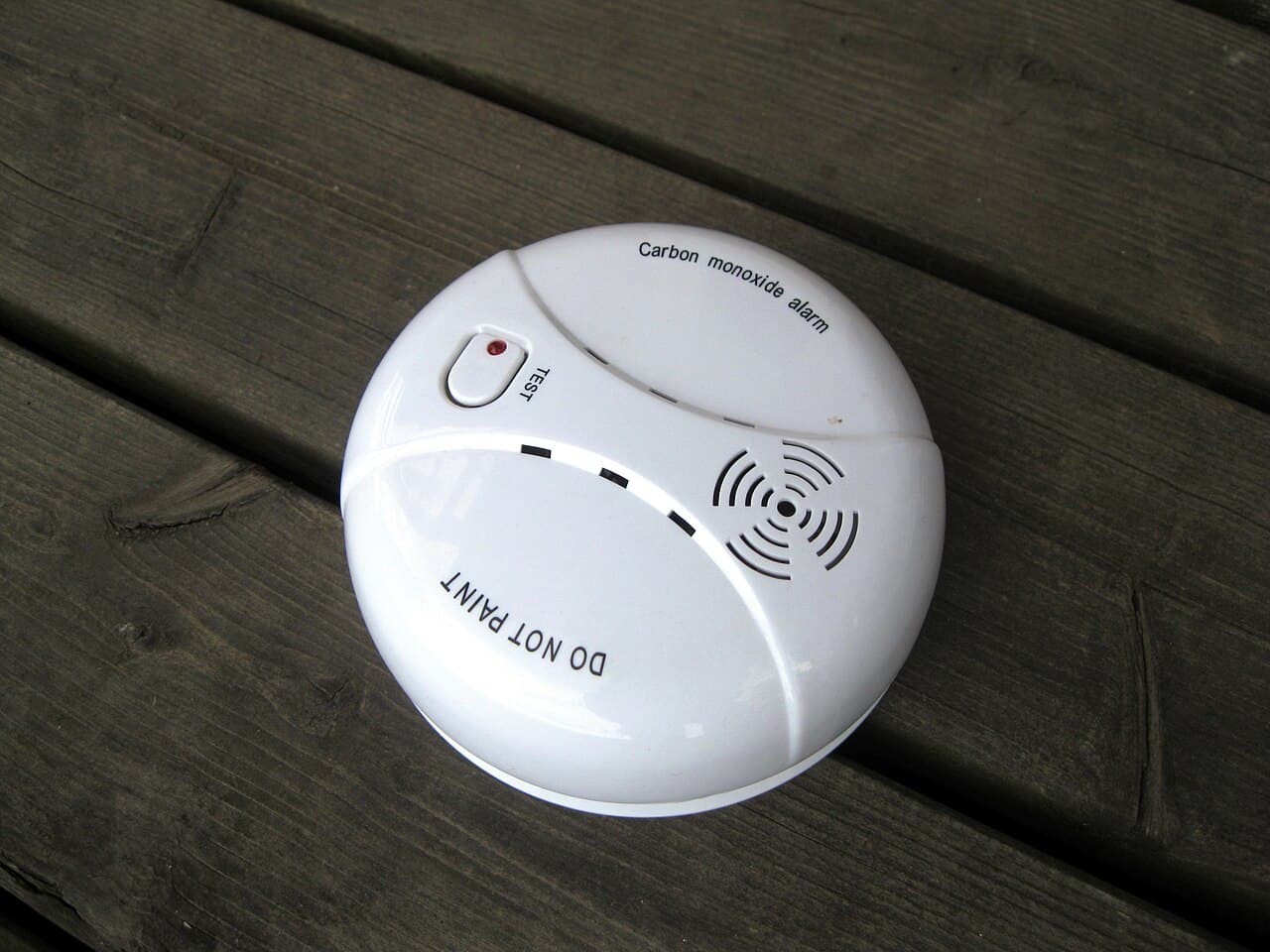
The space around the furnace. Utility rooms collect storage over the summer. Columbia Gas's rule: "Never use or store highly flammable materials in the same room as any natural gas or heat-producing appliances."[3] It names gasoline, spray paints, solvents, insecticides, varnish, cleaning products and other pressurized containers.[3] Move them out, and leave a clear path so a technician can reach the furnace.
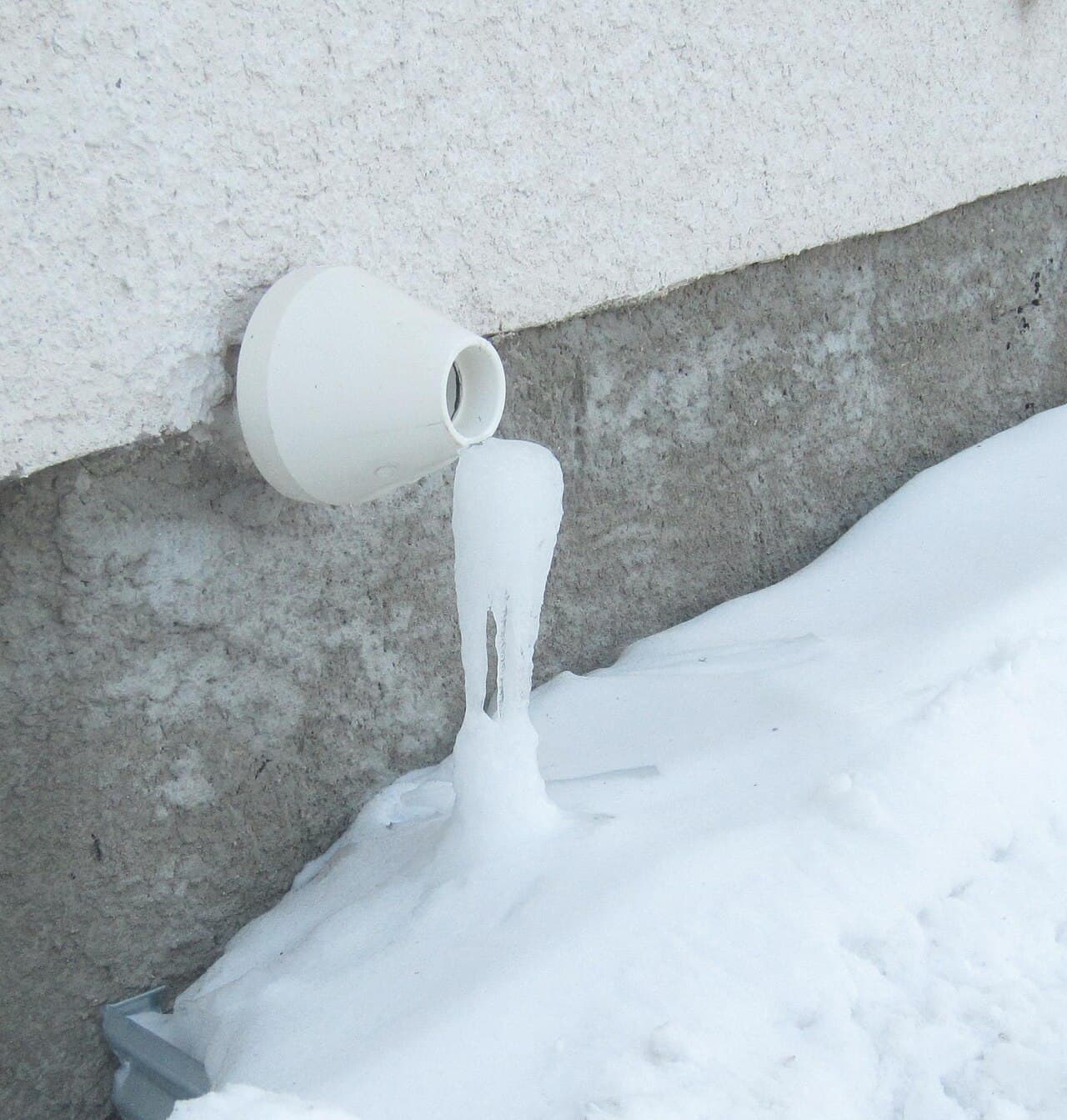
The vent pipes outside. High-efficiency furnaces draw air and vent exhaust through pipes on the outside of the house. Lennox's advice: "If you have a high-efficiency furnace, look for the intake and exhaust pipes on the exterior of your home. Make sure they're free of ice, snow, bird nests or insects."[2] Columbia Gas also asks customers, at least once a year, to check that vents and chimneys are free of debris such as birds' nests, leaves and fallen bricks, and that the opening is covered with a cap.[5] Keep checking after snowstorms through the winter. Columbia Gas explains why: "Keeping those vents clear can help you avoid carbon monoxide buildup and operational issues with your appliances."[6] If a pipe is out of reach or on the roof, leave it for the technician.
Signs worth mentioning to the technician. Lennox suggests watching for moisture on windows or rust build-up on the vent pipe,[2] which can mean the furnace is not operating properly. Note soot, new noises, a pilot that burns yellow, or a furnace that cycles on and off every few minutes. "Without proper venting, combustion gas can lead to carbon monoxide poisoning",[5] so venting problems are not something to wait on.
One more household rule for cold snaps, from Columbia Gas: "Never use a stove or oven as a source of heat in your home."[3]
What the technician's fall check-up covers
The professional visit is where the safety work happens. For heating, ENERGY STAR's list includes checking all gas (or oil) connections, gas pressure, burner combustion and the heat exchanger.[1] That matters because "a dirty burner or cracked heat exchanger causes improper burner operation."[1] The same list covers tightening electrical connections and measuring voltage and current on motors,[1] cleaning and adjusting the blower (airflow problems can reduce your system's efficiency by up to 15 percent[1]), checking the condensate drain on a furnace, since a plugged drain can cause water damage,[1] and checking the controls and the starting cycle, so the furnace starts, operates and shuts off properly.[1]
Federal safety agencies are consistent on how often. The EPA says: "Have a trained professional inspect, clean and tune-up central heating system (furnaces, flues and chimneys) annually."[7] The U.S. Fire Administration says: "Maintain heating equipment and chimneys by having them cleaned and inspected each year by a professional."[8] Its figures show why: "heating fires remained the second leading cause of home fires in 2021."[8]
For what a tune-up costs and whether a plan is worth it, see how much an HVAC tune-up costs in Virginia and how to keep a heating system from failing in winter.
Help with heating costs in Virginia
When we checked on 26 October 2026, the Virginia Department of Social Services' Fuel Assistance, which offsets home heating costs, took applications from the second Tuesday in October to the second Friday in November, and Crisis Assistance for heating equipment repair or replacement from November 1 to March 15.[9] Both require a gross monthly income at or below 150% of the federal poverty level, and Crisis Assistance requires a heating emergency, such as no heat or unsafe equipment.[9] If a fall check-up finds an unsafe furnace, ask about Crisis Assistance and see what it costs to fix a furnace that won't heat.
When to call a licensed pro
Book the fall check-up every year for a gas, oil or propane furnace, and call sooner if the test run fails, the furnace cycles on and off, you see soot or rust on the vent, or a carbon monoxide alarm has ever gone off near it. For a gas smell or an alarm sounding now, leave the house and call 911 and your gas company from outside.
In Virginia, no individual may engage in, or offer to engage in, work as a tradesman unless licensed, except under the supervision of a tradesman licensed in that specialty,[10] and the Code defines a tradesman as anyone who does electrical, plumbing or heating, ventilation and air conditioning work "for the general public for compensation".[11] Check a business on DPOR's License Lookup[12] before booking, and see does an HVAC technician need a licence in Virginia.
Booking the check-up
Loclis lists DPOR-licensed HVAC businesses with their licence number and class. Find HVAC businesses in Blacksburg or another town, see furnace not heating repairs, or browse more HVAC repair answers.
If your furnace failed its test run or needs a fall check-up, describe it once and licensed local HVAC businesses quote it.
Common questions
- When should I get my furnace checked before winter?
- In the fall, before the first cold snap. ENERGY STAR notes that contractors get busy once winter comes and suggests checking the heating system in the fall; one way to remember is to book it around the fall time change.
- Do I really need a professional tune-up every year?
- For a gas or oil furnace, federal agencies say yes. The EPA advises having a trained professional inspect, clean and tune up a central heating system annually, the U.S. Fire Administration says to have heating equipment cleaned and inspected each year, and CPSC urges an annual inspection of all fuel-burning appliances.
- Where should carbon monoxide alarms go?
- Columbia Gas of Virginia advises one on every level and in every room where someone sleeps; CPSC recommends alarms on each level, outside each sleeping area. Test them regularly and replace batteries or alarms as needed. A working alarm matters because carbon monoxide has no colour or smell.
- Can I store things next to my furnace?
- Keep the room clear of anything flammable. Columbia Gas of Virginia says never to use or store highly flammable materials such as gasoline, spray paints, solvents and cleaning products in the same room as a gas or heat-producing appliance. Leave room for a technician to get to the furnace, too.
- What if the furnace does not work when I first turn it on?
- Check the thermostat mode and fan setting, the filter, the power switch and breaker, and the fuel level. If it still will not heat, call a licensed HVAC technician now rather than waiting, because ENERGY STAR notes that contractors get busy once winter comes.
Sources
- [1] Maintenance Checklist, ENERGY STAR, U.S. Environmental Protection Agency. Checked October 26, 2026.
- [2] Four Ways to Prep Your Furnace for Winter, Lennox. Checked October 26, 2026.
- [3] Care for Your Appliances, Columbia Gas of Virginia. Checked October 26, 2026.
- [4] Carbon Monoxide, Columbia Gas of Virginia. Checked October 26, 2026.
- [5] Proper Venting, Columbia Gas of Virginia. Checked October 26, 2026.
- [6] Winter Weather Safety, Columbia Gas of Virginia. Checked October 26, 2026.
- [7] Carbon Monoxide's Impact on Indoor Air Quality, U.S. Environmental Protection Agency. Checked October 26, 2026.
- [8] Heating fire safety, U.S. Fire Administration, FEMA. Checked October 26, 2026.
- [9] Energy Assistance Program (EAP), Virginia Department of Social Services. Checked October 26, 2026.
- [10] Va. Code § 54.1-1129, Necessity for licensure, Code of Virginia, Virginia General Assembly. Checked October 26, 2026.
- [11] Va. Code § 54.1-1128, Definitions, Code of Virginia, Virginia General Assembly. Checked October 26, 2026.
- [12] License Lookup, Virginia Department of Professional and Occupational Regulation. Checked October 26, 2026.
Want a pro to handle it?
Describe the job once. Licensed local businesses send quotes, and you pay only when you book one.
Get a quote for HVAC Repair