Is a pre-listing inspection worth it when selling a house in Virginia?
Often yes for older homes or ones with visible wear, and less so for new or well-kept ones. Virginia law does not require a seller to get one, and the buyer is still told to do their own inspection. What a pre-listing report buys you is time to fix or price problems before a buyer's inspector finds them. Hire a DPOR-licensed home inspector.
Free to ask. Local shops send quotes, and you pay only when you book one.
By Kasra Taheri, Founder, LoclisPublished
Researched and drafted with AI, then checked claim by claim against the sources listed below before it was published. Prices and rules change; the dates beside each source say when it was last checked.
Step by step
Read when to stop and call a pro, further down this page, before you start.
Step 1: Decide whether it fits your house
Weigh the home's age, its known problem areas and how soon you plan to list; an older house with an aging roof, HVAC or plumbing gains the most.
Step 2: Confirm the inspector is licensed
Look the inspector up on DPOR's licence lookup; Virginia makes it unlawful to perform a home inspection for compensation on a residential building without a home inspector licence.[3]
Step 3: Ask about conflicts of interest
Ask whether the inspector or anyone they refer you to also does repairs, since Virginia's rules restrict repairs on a house the inspector has inspected and require written disclosure of any financial interest in a referral.[4]
Step 4: Clear access
Unlock the attic, crawl space, electrical panel, water heater and any outbuildings, and leave utilities on so everything can be tested.
Step 5: Read the whole report
Sort the findings into safety issues, items that will worry a buyer, and routine maintenance.
Step 6: Choose what to fix and what to price in
Repair what is cheap and affects the sale, and get written quotes from licensed contractors for anything larger.
Step 7: Keep the paperwork
Keep the report, invoices and permits for the repairs, and ask your real estate agent or attorney how to handle them with your disclosure statement.
The short version
A pre-listing inspection is worth it when you suspect the house has problems a buyer's inspector will find, or when you want fewer surprises during the contract period. It is a poor use of money on a new or recently renovated home with nothing to hide. Virginia does not require one, and a clean report will not stop the buyer from inspecting.
Think of it as buying information early. You learn what is wrong while you still control the timeline, the contractor and the price, instead of discovering it in a rush after you have a contract.
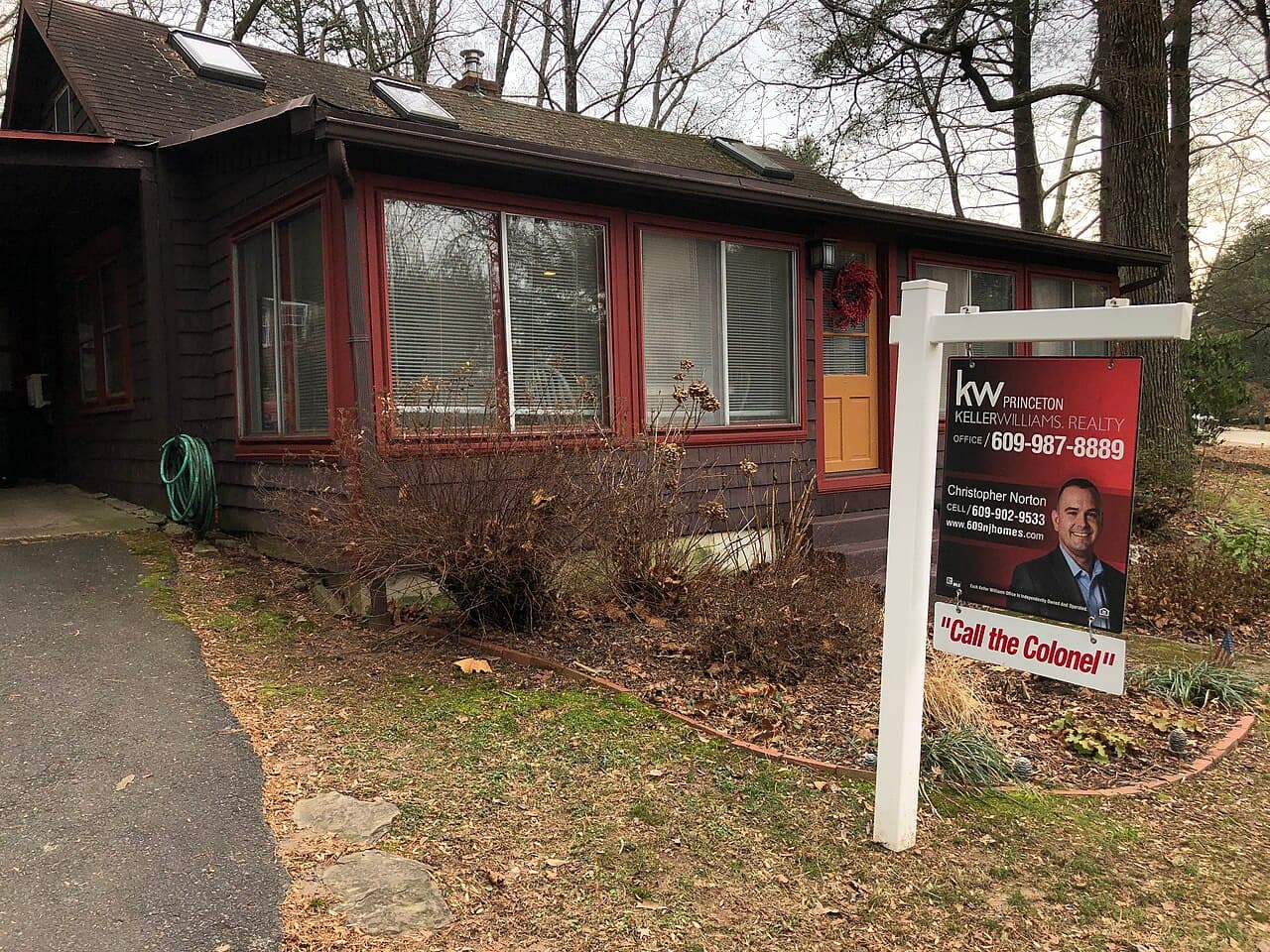
What Virginia requires of a seller, and what it does not
The owner of the residential real property shall furnish to a purchaser a residential property disclosure statement,[1] and the disclosure act applies to sales of residential property with one to four dwelling units, with or without a broker.[2]
The statement is built around "buyer beware". It tells the buyer that the owner makes no representations or warranties as to the condition of the property and that purchasers are advised to exercise whatever due diligence a particular purchaser deems necessary, including obtaining a home inspection.[1] So the buyer is expected to inspect either way.
For most pre-1978 housing, federal law requires the seller to disclose any known information about lead-based paint and lead-based paint hazards.[5] The seller must also provide all available records and reports on lead-based paint and lead-based paint hazards.[5] Buyers get a 10-day period to conduct a paint inspection or risk assessment, which they may waive or the parties may change in writing.[5]
What goes in your disclosure statement once you hold an inspection report is a question for your agent or a real estate attorney. Ask before the inspection, not after.
When a pre-listing inspection pays off
- The house is older. Aging roofs, panels, water heaters, furnaces and plumbing are what turn up on a buyer's report, and it is better to know about them first.
- You have noticed something odd, such as a stain, a sticking door, a musty smell or a slow drain, and you do not know whether it is minor.
- You are selling as-is or on a tight timeline. A report lets you price realistically and answer buyer questions with facts.
- You want to repair on your schedule. Quotes gathered over a few weeks cost less stress than a repair request with a settlement date attached.
When it may not be worth it
- The house is new or fully renovated with permits closed out and warranties in place.
- You plan to sell to an investor or cash buyer who will inspect and price the house their own way regardless.
- You are unwilling to deal with what the report finds. A report you ignore is a record that you knew; talk to your agent about that before ordering it.
Choosing the inspector
Virginia makes it unlawful to perform a home inspection for compensation on a residential building without a home inspector licence.[3] Look up the licence on DPOR's website, and ask the inspector what the report includes and how soon you get it.
Ask about conflicts of interest too. A licensed home inspector may not design or perform repairs on a house within 12 months after inspecting it,[4] and a referral to another person for repairs requires written documentation that clearly discloses any financial interest the inspector has or reasonably expects to have with that person.[4] An inspector who pushes you toward their own repair crew is a red flag.
Fees vary with the size, age and location of the house and with add-ons such as radon, termite, sewer-line or septic checks. Get the price and the scope in writing before you book. For typical ranges, read how much a home inspection costs in Virginia.
What to do with the report
Sort the findings into three piles: safety items, things a buyer will react to, and routine maintenance. Fix the cheap, visible items, such as a leaking faucet, a missing smoke alarm or a loose handrail. For bigger systems like the roof, electrical panel or furnace, get written quotes from licensed contractors, then decide whether to repair or to price the house with the work in mind.
Keep invoices and any permits for the work you do. Items you choose not to repair are worth discussing with your agent before listing. To see which problems turn up most often, read what is commonly found in a home inspection and what to fix first after an inspection.
Stop and call a pro if
- The report lists a safety hazard, such as active leaks, exposed or scorched wiring, a gas smell, or a failing chimney. Do not work on these yourself; hire a licensed contractor in the right trade.
- The inspector recommends a specialist. Termite, radon, sewer-line, structural and septic concerns need a qualified specialist, not a guess.
- Your agent or attorney says the findings affect your disclosure. Take that advice before you list.
- The house was built before 1978. Ask your agent how the federal lead disclosure applies before you hand out the report.
Getting help in Virginia
Browse more inspection answers and the inspection services on Loclis. If you are also checking whether the inspector needs a licence, see whether a home inspector needs a licence in Virginia. For a house you are about to list, how to prepare a house for a home inspection covers the access and cleanup that make a report faster and cleaner.
When you are ready, request a home inspection and licensed local inspectors can quote it.
Common questions
- Is a pre-listing inspection required in Virginia?
- No. The sources reviewed here contain no requirement that a seller commission an inspection before listing. What the law does require is a residential property disclosure statement from the owner, and the buyer is advised to get their own home inspection.
- Will the buyer still do their own inspection?
- Almost always. Virginia's disclosure statement tells purchasers to exercise whatever due diligence a particular purchaser deems necessary, including obtaining a home inspection, so a pre-listing report does not replace the buyer's. It gives you a head start on what they are likely to find.
- Who can perform the inspection?
- A Virginia-licensed home inspector. It is unlawful to perform a home inspection for compensation on a residential building without that licence, so check the inspector on DPOR's licence lookup before you book.
- Can the inspector also fix what they find?
- Not for 12 months after the inspection. Virginia's conflict-of-interest rule bars a licensed home inspector from designing or performing repairs on a house they inspected within that window, and requires written disclosure of any financial interest in a contractor they recommend.
- Do I have to share the report with buyers?
- That is a legal question that depends on your situation and contract, so ask your real estate agent or attorney before the report is ordered. For homes built before 1978, federal rules separately require you to hand over available records and reports on lead-based paint.
Sources
- [1] § 55.1-703. Required disclosures for buyer to beware; buyer to exercise necessary due diligence, Code of Virginia, Legislative Information System. Checked October 27, 2026.
- [2] § 55.1-701. Applicability, Code of Virginia, Legislative Information System. Checked October 27, 2026.
- [3] § 54.1-503. Licenses required, Code of Virginia, Legislative Information System. Checked October 27, 2026.
- [4] 18VAC15-40-140. Conflict of interest, Virginia Administrative Code, Legislative Information System. Checked October 27, 2026.
- [5] Real Estate Disclosures about Potential Lead Hazards, U.S. Environmental Protection Agency. Checked October 27, 2026.
Want a pro to handle it?
Describe the job once. Licensed local businesses send quotes, and you pay only when you book one.
Get a quote from a local pro