How do I protect a new concrete driveway in its first winter?
Keep deicing salt off it for the first winter, about a year, and use clean sand for traction instead. If it was poured late in the year, it needs protection from freezing in its first 48 hours. Shovel early so snow does not pack into ice, hose off road salt that cars carry in, keep meltwater draining off, and seal it the following late summer.
Free to ask. Local shops send quotes, and you pay only when you book one.
By Kasra Taheri, Founder, LoclisPublished
Researched and drafted with AI, then checked claim by claim against the sources listed below before it was published. Prices and rules change; the dates beside each source say when it was last checked.
Step by step
Read when to stop and call a pro, further down this page, before you start.
Step 1: Ask how it was protected
Ask the contractor how the slab was covered and cured, especially if it was poured in late fall, and whether the mix was air-entrained for freezing weather.
Step 2: Cover a late pour
If it was poured in cold weather, protect it during the first 48 hours with plastic sheeting and insulation blankets when temperatures may drop below 32 F.[1]
Step 3: Skip curing compound in late fall
Cure a late-fall pour with plastic or blankets rather than a curing compound if deicers will be used nearby.[1]
Step 4: Stock sand, not salt
Keep clean sand on hand for traction and keep salt and other deicers off the slab for about a year.[2]
Step 5: Shovel early
Clear snow soon after it falls, ideally with a plastic shovel or a blade with a rubber edge, before cars pack it into ice.
Step 6: Leave the ice chopper in the garage
Do not chip ice off the new surface with a metal bar or chopper; spread sand on it and let the sun and thaw do the rest.
Step 7: Rinse off road salt
On mild days, hose off the salt and slush that cars carry onto the driveway and garage slab.
Step 8: Keep meltwater moving
Point downspouts away from the slab and clear leaves from joints and edges so water does not pool on it.
Step 9: Wait on deicers
After the first year, ask your contractor which deicers are safe for your slab, and read the label before you spread anything.
Step 10: Seal it next late summer
Apply a breathable sealer made for concrete on a dry day within the temperature range on its label, once the slab has had time to dry out.
Keep deicing salt off a new concrete driveway for its first winter. That one habit prevents most first-year damage. The Town of Berryville puts it plainly in a notice to residents: concrete has a curing period of approximately a year, during which it is highly susceptible to damage from chemical applications, especially deicers.[2] The rest is protecting a late pour from freezing, shoveling early, keeping water moving off the slab, and sealing it the following summer.
Why the first winter is the hard one
A new slab is still hardening and drying out through its first season, and it holds more water than an older one. Salt and other deicers can lead to chips and cracks, discoloration and surface weakening, according to Berryville,[2] which asks residents to avoid salt and other deicers on new concrete for approximately one year.[2] It also notes that damage from deicers is not generally eligible for warranty repair or replacement,[2] so check your own contractor's warranty for the same exclusion.
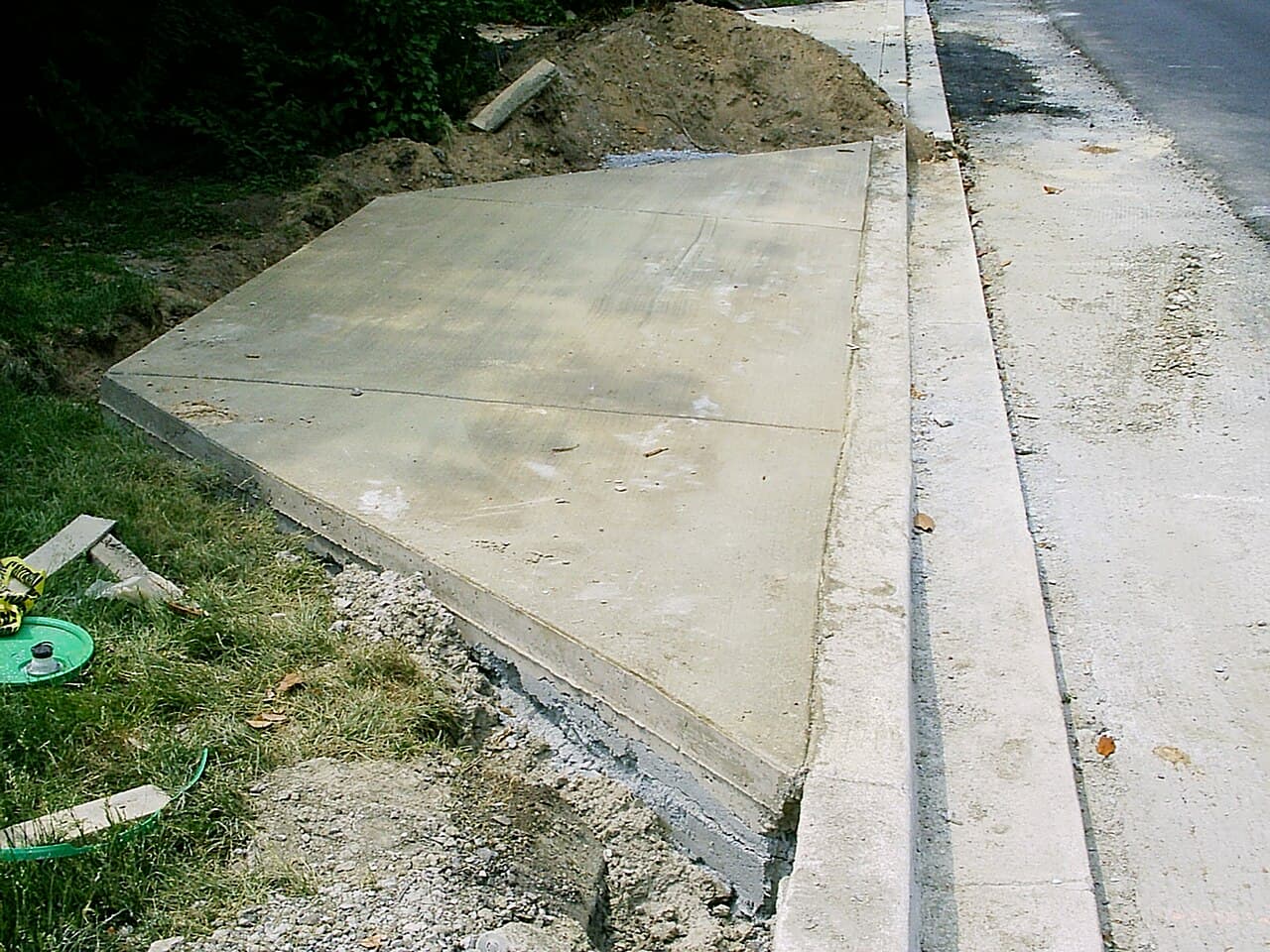
If it was poured late in the fall
The first few days matter most. Quikrete's instructions for its concrete mix say to protect concrete from freezing during the first 48 hours, with plastic sheeting and insulation blankets if temperatures are expected to fall below 32 F.[1] It also says not to use curing compounds during late fall on surfaces where deicers will be used, because they can prevent the air drying that helps concrete resist deicer damage.[1]
If you hired the job out, ask the contractor how they protected and cured the slab and whether the mix was air-entrained, which is the usual specification for driveways that freeze. A contractor who poured in cold weather should be able to tell you what was covering it and for how long.
Through the winter
Use sand for traction. Clean sand is the simplest choice. Berryville also lists sawdust, clean kitty litter and birdseed as alternatives that pose less of a damage risk, and notes that they do not melt the ice but improve traction.[2] Shovel early and often.
Shovel early, gently. Clearing snow before cars and feet pack it down leaves less ice to deal with. A plastic shovel or a rubber-edged blade is kinder to a young surface than a steel edge, and chipping ice with a metal bar can gouge it. Spread sand on stubborn ice and let it thaw.
Watch for salt you did not put down. Road salt rides in on tires and in slush. On a mild afternoon, hose the slush and salt off the driveway and the garage slab so it does not sit on the surface.
Keep water draining off. Standing meltwater keeps the surface wet through every freeze. Point downspouts away from the driveway, clear leaves from the joints and edges, and do not pile salty snow from the street onto the slab.
After the first winter
Once the slab is about a year old, deicers become less risky, but they are still hard on concrete. Ask the contractor who poured it which products suit the mix and any sealer, read the label, and use as little as you need. Sand stays a good first choice.
A breathable sealer made for concrete helps keep water and salt out of the surface. Apply it on a dry day within the temperature range on the label, once the slab has had time to dry out; late summer after a few dry days is a natural time. How to seal a concrete driveway walks through it, and how to keep concrete from cracking in winter covers the years after.
What early damage looks like
Scaling, the flaking and peeling of the top surface, starts as small patches. Light flaking that leaves the stone in the concrete covered is mostly cosmetic. Flaking that exposes the stone, or that spreads each week, is not. Cracks are a different matter; why new concrete cracks explains which ones to worry about.
Stop and call a pro if
- The slab froze in its first two days, or a hard freeze came before it was covered.
- The surface is flaking with the stone showing across large areas, or the flaking spreads each week.
- Cracks open up across panels rather than at the joints.
- A panel settles or tilts, or water stands on the slab after rain.
- Your contractor's warranty is in question, so a licensed contractor's written assessment would help.
Getting help in Virginia
Loclis lists DPOR-licensed concrete businesses with their licence number and class. Find concrete businesses in Blacksburg, browse driveway contractors, check how long new concrete should cure before you drive on it, or see all concrete and hardscaping answers.
If a new driveway is already damaged, describe it once and licensed local concrete businesses quote the repair.
Common questions
- Can I put salt on my new concrete driveway?
- Not in its first winter if you can avoid it. The Town of Berryville asks residents to keep salt and other deicers off new concrete for about a year and warns that deicer damage is not generally eligible for warranty repair. Use clean sand for traction instead.
- What can I use instead of salt on new concrete?
- The Town of Berryville lists sand, sawdust, clean kitty litter and birdseed as lower-risk options. None of them melt ice; they give your feet and tires grip, so keep shoveling early to limit how much ice forms.
- Which deicer is safe once the driveway is a year old?
- Ask the contractor who poured it, since the answer depends on the mix and any sealer on the slab, and read the product label. Use as little as you need, and rinse off what cars carry in.
- Should I seal my new driveway before winter?
- Usually not in a hurry. Sealers need a dry slab and mild weather, so for a driveway poured this fall, plan the first sealing for next late summer and follow the product label.
- The surface is flaking after its first winter. Is it ruined?
- Not necessarily. Surface flaking on a new slab is usually salt or freeze-thaw damage to the top layer. If it is limited to small patches, keep deicers off and watch it. If it spreads or the stone is showing across large areas, ask a concrete contractor to look at it, and check your contractor's warranty.
Sources
- [1] QUIKRETE Concrete Mix No. 1101 data sheet, The QUIKRETE Companies. Checked October 27, 2026.
- [2] Notice Regarding New Concrete, Town of Berryville. Checked October 27, 2026.
Want a pro to handle it?
Describe the job once. Licensed local businesses send quotes, and you pay only when you book one.
Get a quote from a local pro